
Roasting Pans


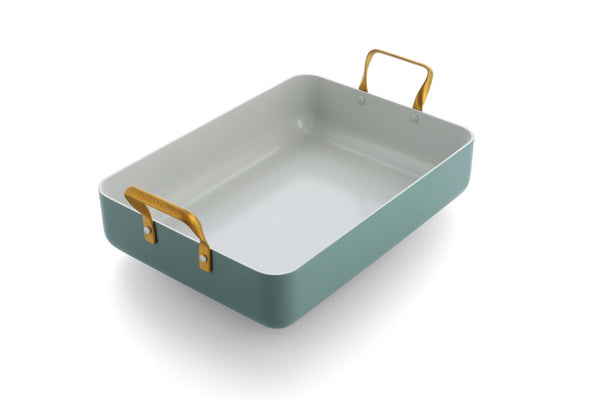

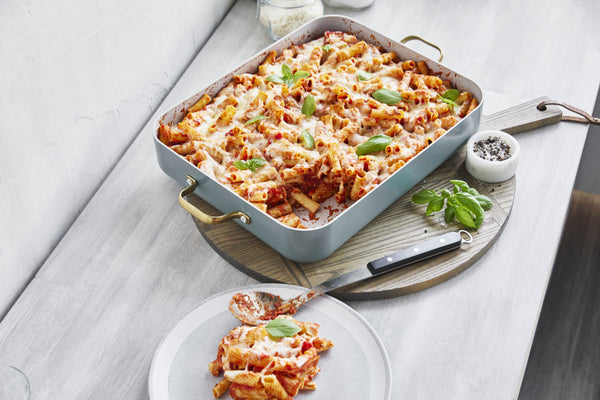

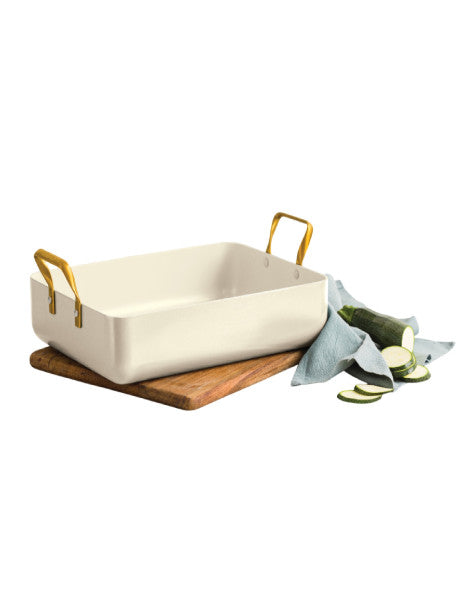
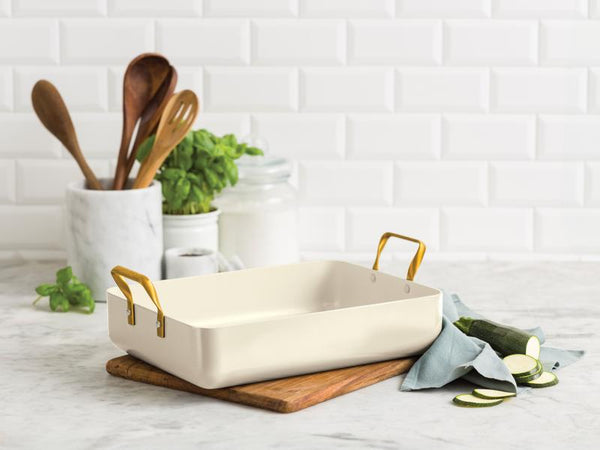




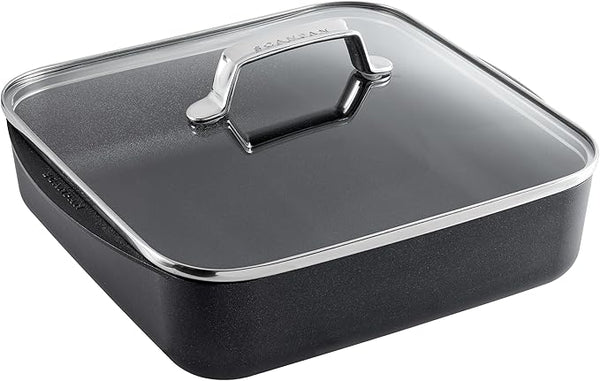
Roasting Pans NZ – Built for Consistent Oven Results
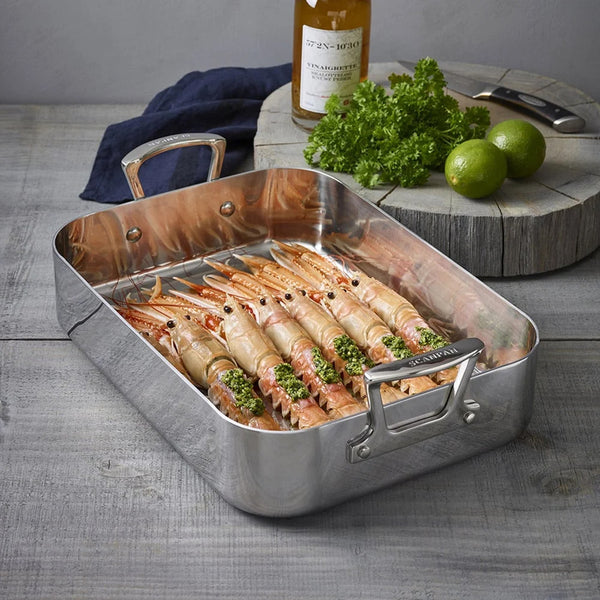
Roasting Pans NZ: A well-made roasting pan does more than hold food in place—it helps manage how heat surrounds it. With the right depth and surface area, ingredients cook evenly while retaining moisture, making it easier to achieve proper browning without drying out the dish.
At The Living Styles, the range includes stainless steel, nonstick, and cast iron options selected for durability and stable heat performance. Whether it’s a simple midweek roast or a larger meal for guests, these pans are designed to handle both everyday use and higher-capacity cooking.
What Sets a Roasting Pan Apart
Compared to standard oven trays, roasting pans are designed to manage both heat exposure and cooking juices at the same time.
- Wide base helps food cook evenly without crowding
- Raised sides contain juices for sauces and gravies
- Optional racks allow air to circulate around meat
- Solid construction reduces the risk of warping under heat
- Secure handles make lifting safer when fully loaded
These details make a noticeable difference when cooking larger portions.
Roasting Pan Options for Different Cooking Routines
The type of roasting pan you choose can affect everything from food release to heat retention and cleanup. Instead of choosing only by size, consider how you normally roast, how often you use your oven and what matters most once the meal is finished.
Non-Stick Roasting Pans are a convenient choice for cooks who want less food to cling to the surface. They are useful for roasting vegetables, chicken, potatoes and other dishes where easy release can make both serving and cleaning simpler.
Cast Iron Roasting Pans suit cooks who value substantial cookware and strong heat retention. Their ability to hold heat makes them useful for hearty roasts and recipes where steady oven temperatures contribute to thorough cooking and deep browning.
Stainless Steel Roasting Pans are a practical option for regular roasting and larger meals. Their durable construction makes them suitable for repeated oven use, while some designs can also be useful when preparing pan juices or gravies after roasting.
Think about the foods you roast most often, the amount of maintenance you prefer and how you want your pan to perform after years of regular use. These everyday considerations can help you select a roasting pan that suits your kitchen rather than simply choosing the largest option available.
Choosing the Right Fit for Your Kitchen
A roasting pan should match both your oven space and cooking habits.
- Size should allow airflow without overcrowding
- Depth helps manage juices and larger cuts
- Rack support improves browning and drainage
- Handle design supports safe lifting
- Heat resistance ensures reliable oven performance
Getting the right combination makes roasting easier and more predictable.
Everyday Cooking Uses
- Whole chicken, turkey, or duck
- Roast beef, pork, or lamb
- Vegetables and potatoes
- Oven-baked meals
- Slow-cooked dishes
The open surface and depth help maintain even cooking while developing flavour.
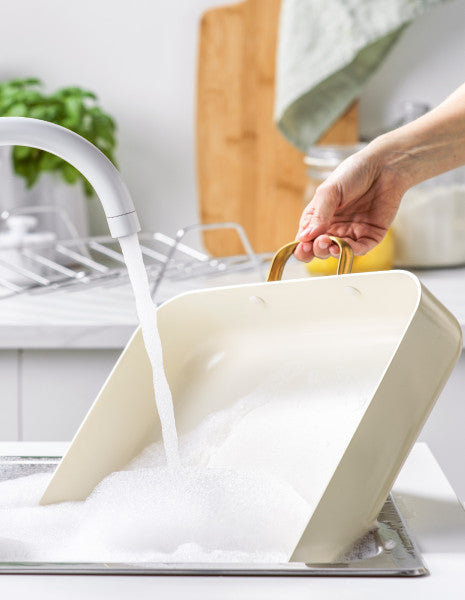
Care and Maintenance
- Allow the pan to cool before cleaning
- Wash with mild detergent and warm water
- Soak if residue builds up
- Avoid metal utensils on coated surfaces
- Dry thoroughly before storage
Simple care keeps the pan performing well over time.
Roasting Pans FAQs
What size roasting pan works best for home cooking?
Most kitchens benefit from a roasting pan around 30–35 cm, as it handles poultry, vegetables, and medium cuts of meat without overcrowding.
Is a roasting rack necessary?
A rack isn’t essential, but it improves airflow around the food, helping achieve more even cooking and better browning.
Can roasting pans be used on the stovetop?
Some stainless steel roasting pans can be used on stovetops for making gravies or sauces, depending on their construction.
Are nonstick roasting pans suitable for high heat?
They can handle standard roasting temperatures, but extremely high heat should be avoided to protect the coating.
Can I roast vegetables in a roasting pan?
Yes, roasting pans work well for vegetables, allowing them to spread out and cook evenly with good surface browning.
