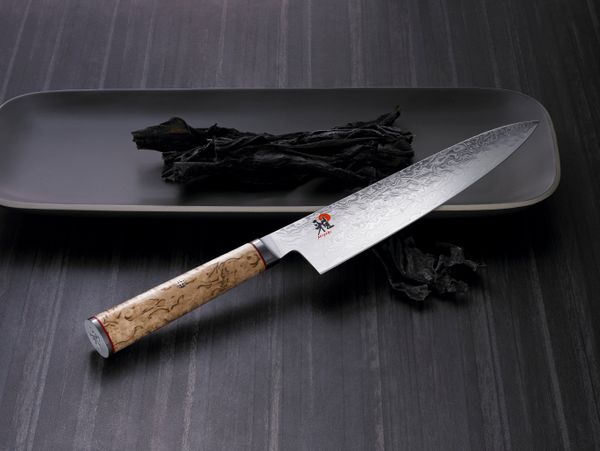
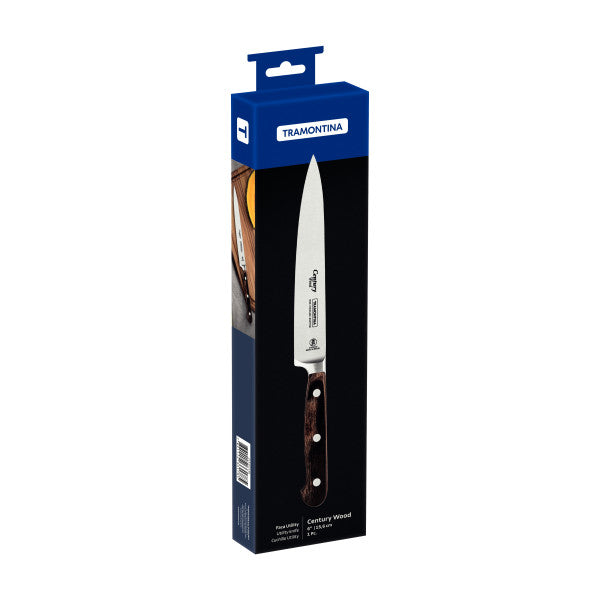
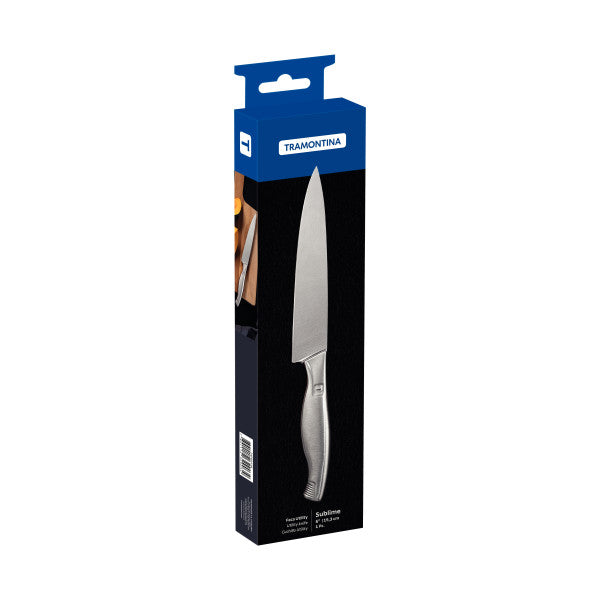
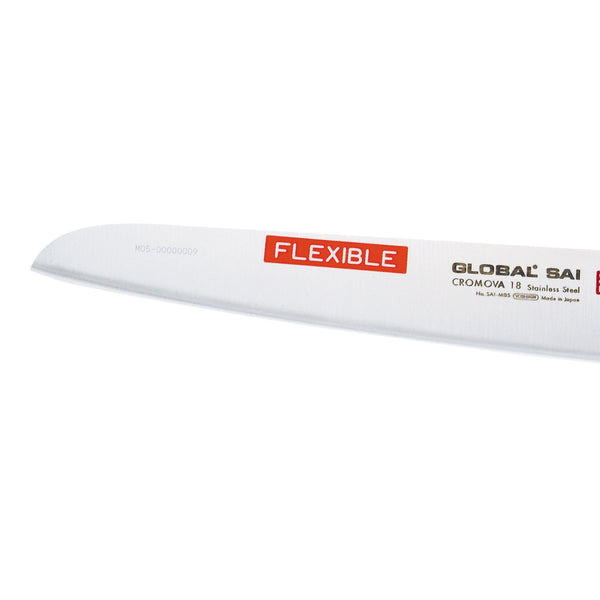
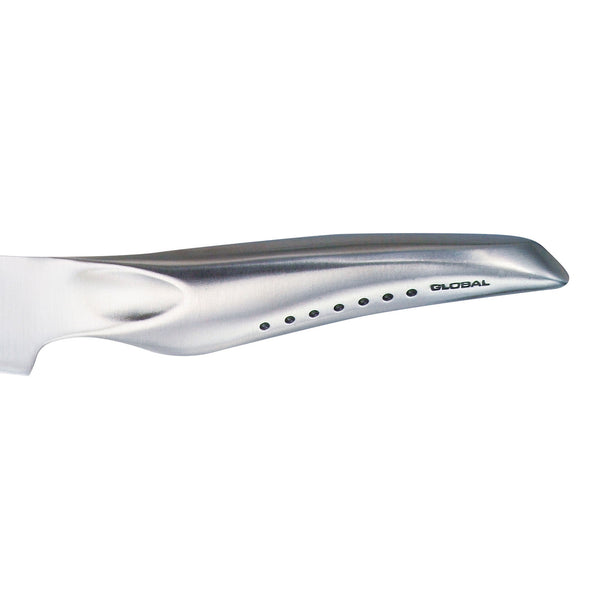
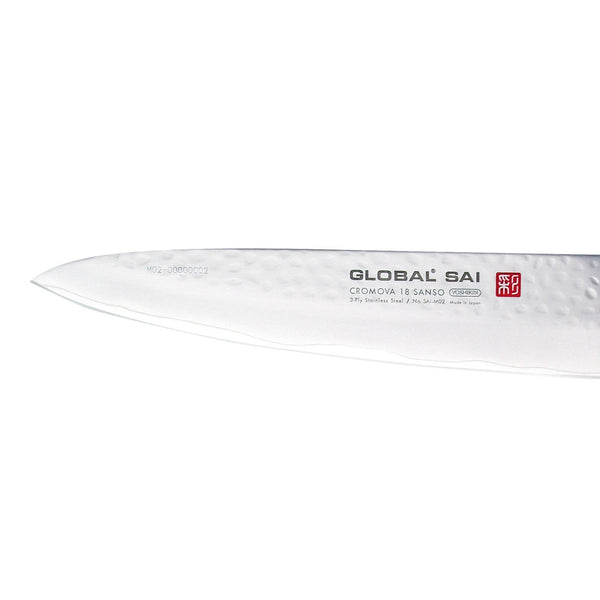
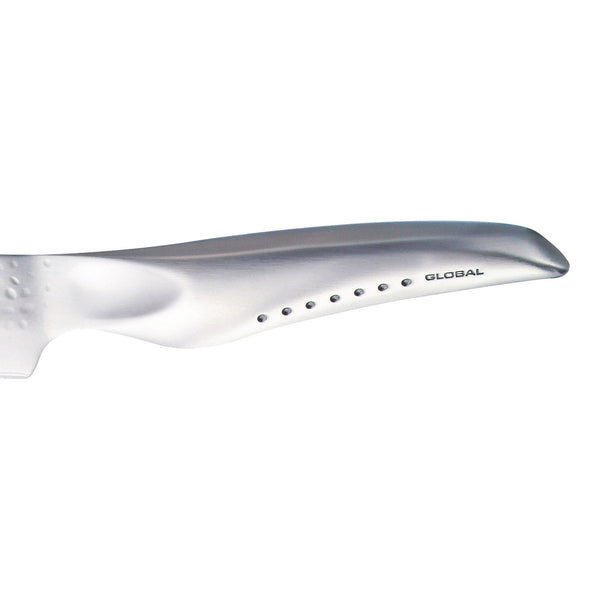
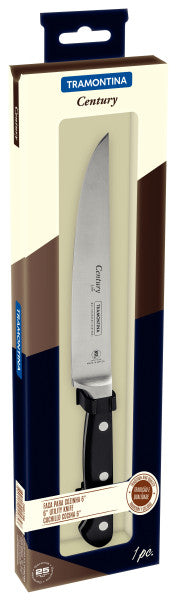
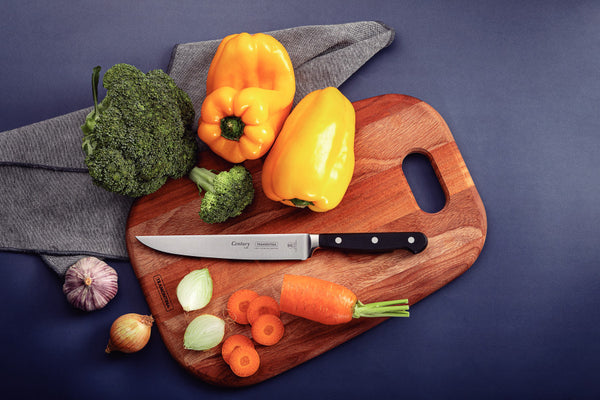
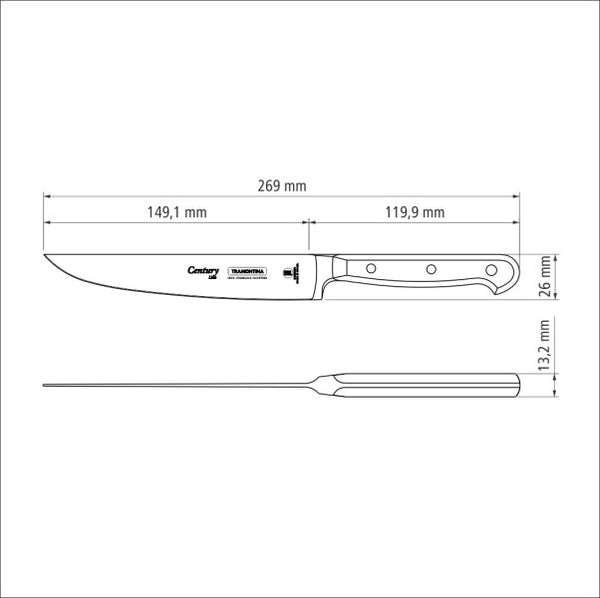
Utility knives are designed to bridge the gap between large chef’s knives and compact paring knives, offering greater versatility for everyday kitchen tasks. Their mid-sized blade profile provides a balance of precision, control, and cutting power, making them ideal for slicing fruit, trimming vegetables, preparing sandwiches, portioning smaller proteins, and handling general meal prep.
At The Living Styles, our Utility Knives NZ collection includes lightweight prep knives, serrated utility blades, and precision everyday kitchen knives selected for sharpness, ergonomic comfort, and long-term durability. These knives are practical all-rounders suited for modern home kitchens and daily cooking routines.
Why Utility Knives Are One of the Most Useful Kitchen Tools
Many kitchen tasks do not require a large chef’s knife or heavy-duty blade. Utility knives provide better manoeuvrability while still offering enough blade length for efficient preparation.
Versatile Everyday Use: Suitable for fruits, vegetables, sandwiches, herbs, and small cuts of meat.
Improved Precision: Slimmer blades allow cleaner, more controlled slicing.
Lightweight Handling: Easier to manage during repetitive preparation.
Reduced Knife Switching: Covers a wide range of kitchen prep tasks efficiently.
Practical Mid-Size Blade: Offers a balance between power and control.
Explore Trusted Utility Knife Brands
Our collection includes globally recognised kitchen knife brands selected for cutting reliability, ergonomic handling, and long-term kitchen performance.
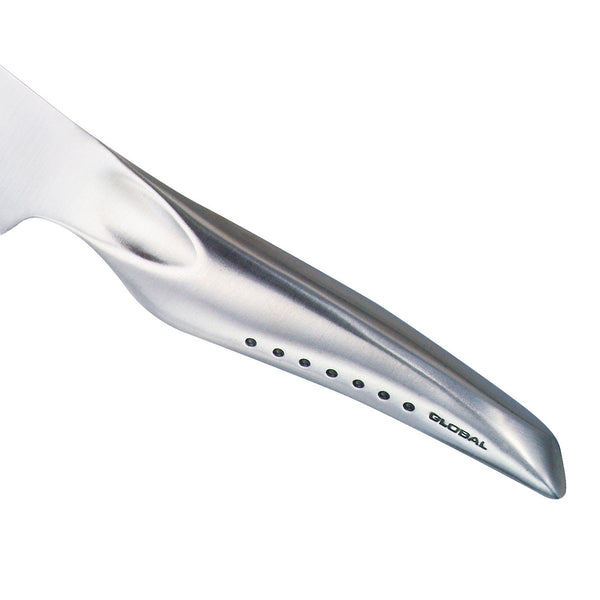
Global – Lightweight stainless steel knives designed for exceptional balance and precision slicing.
Scanpan – Durable utility knives built for practical everyday kitchen use.
Trusted knife brands selected for versatility and everyday reliability
Mid-sized kitchen knives suitable for a wide range of prep tasks
Comfort-focused designs with balanced handling
Sharp durable blade materials designed for regular use
Suitable for beginner cooks and experienced home chefs
Fast shipping available throughout New Zealand
Explore our Utility Knives collection to simplify daily food preparation with versatile kitchen knives designed for cleaner cuts, better control, and practical everyday performance.
Utility Knives – Frequently Asked Questions
What is a utility knife used for?
Utility knives are used for everyday kitchen preparation tasks such as slicing fruits, vegetables, sandwiches, and smaller cuts of meat with greater control than larger knives.
How is a utility knife different from a chef’s knife?
Utility knives are smaller and lighter than chef’s knives, making them better suited for medium-sized preparation tasks requiring precision and manoeuvrability.
Should I choose a serrated or straight-edge utility knife?
Straight-edge blades are ideal for clean slicing and precision prep, while serrated blades work well for tomatoes, bread rolls, and foods with soft interiors.
What blade length is best for a utility knife?
Most utility knives range between 12cm and 15cm, providing a balance between cutting versatility and handling control.
How should utility knives be maintained?
Hand washing, regular honing, proper sharpening, and safe storage help maintain blade sharpness and extend overall knife lifespan.