Santoku Knife NZ – Precision-Focused Knives for Everyday Preparation
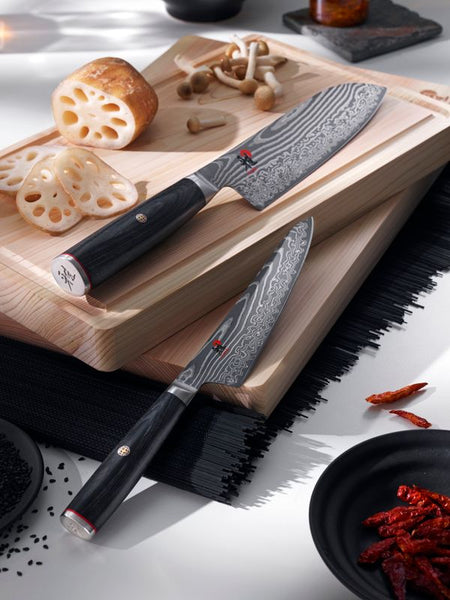
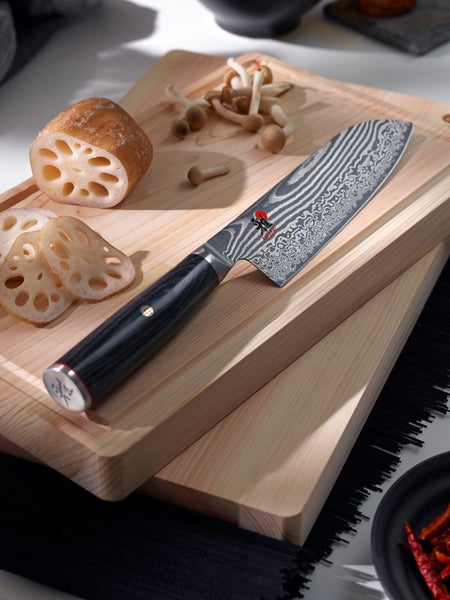
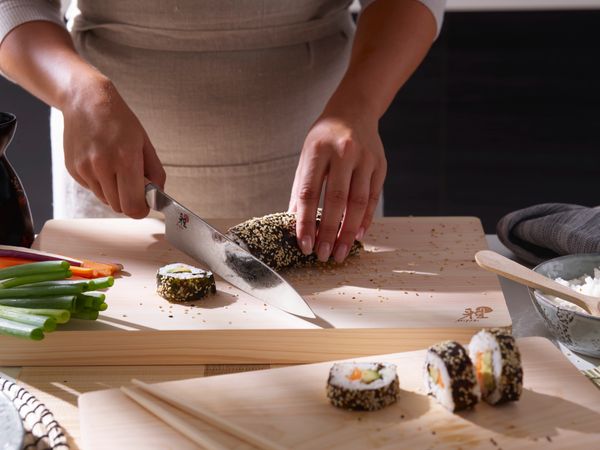
Santoku knives in New Zealand are designed for efficient, controlled cutting across a wide range of kitchen preparation tasks. With a flatter edge profile and lightweight balanced construction, Santoku knives excel at slicing, dicing, and fine chopping with minimal resistance.
Originally developed in Japan, the Santoku has become one of the most versatile kitchen knives for modern cooking. At The Living Styles, our collection focuses on edge retention, ergonomic handling, and cutting precision for both everyday home cooking and detailed food preparation.
Why Many Home Cooks Prefer a Santoku Knife
The Santoku is designed to improve control and cutting consistency during repetitive kitchen preparation.
Compact Blade Design: Easier to control during detailed slicing and prep work.
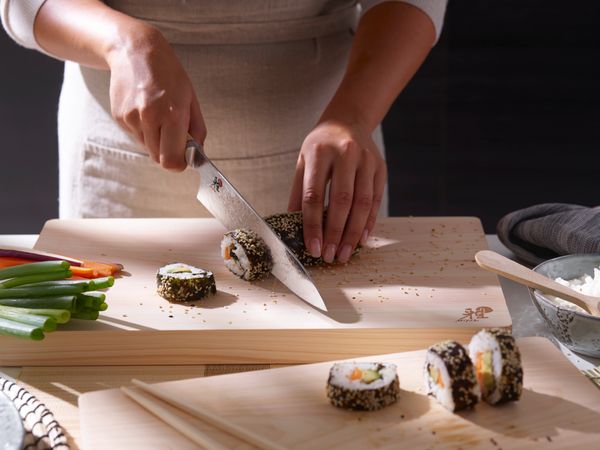
Flat Cutting Edge: Supports straight downward slicing and push-cut techniques.
Thin Blade Geometry: Reduces drag for smoother cuts through vegetables and proteins.
Balanced Weight Distribution: Helps minimise fatigue during extended use.
Efficient Daily Performance: Suitable for a wide range of everyday kitchen tasks.
What Foods Are Santoku Knives Best For?
Santoku knives are highly versatile and perform particularly well with ingredients that benefit from precision cutting.
Vegetables: Excellent for slicing, dicing, shredding, and fine chopping.
Boneless Meats: Clean slicing through chicken, beef, and soft proteins.
Fish Preparation: Controlled cuts for fillets and portioning.
Fresh Herbs: Fine chopping without crushing delicate leaves.
General Meal Prep: Suitable for most daily kitchen preparation tasks.
Understanding Santoku Blade Construction
Blade material and edge construction directly influence long-term cutting performance and maintenance.
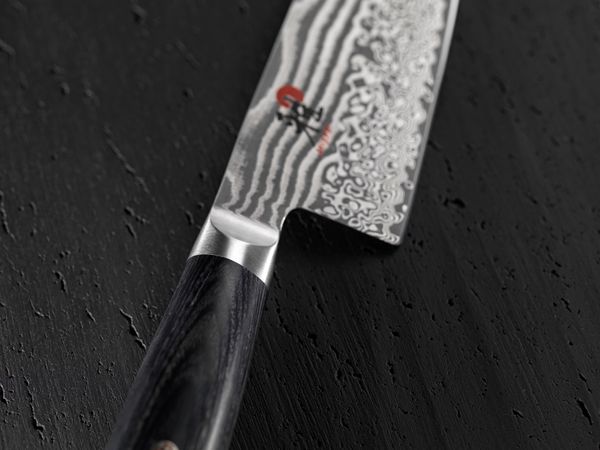
High-Carbon Stainless Steel: Balances corrosion resistance with sharp edge retention.
Japanese Hardened Steel: Designed for finer sharper cutting edges.
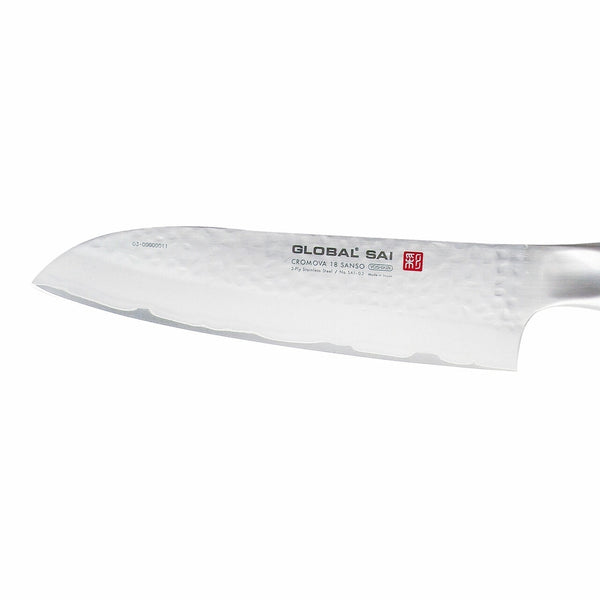
Layered Damascus Steel: Improves structural strength and cutting precision.
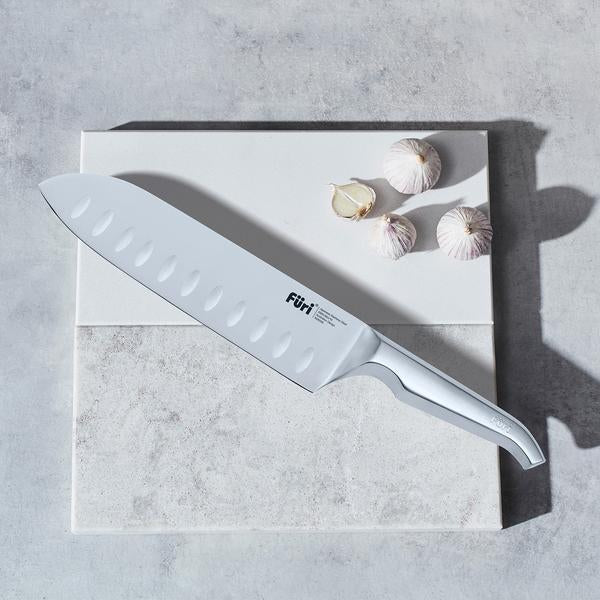
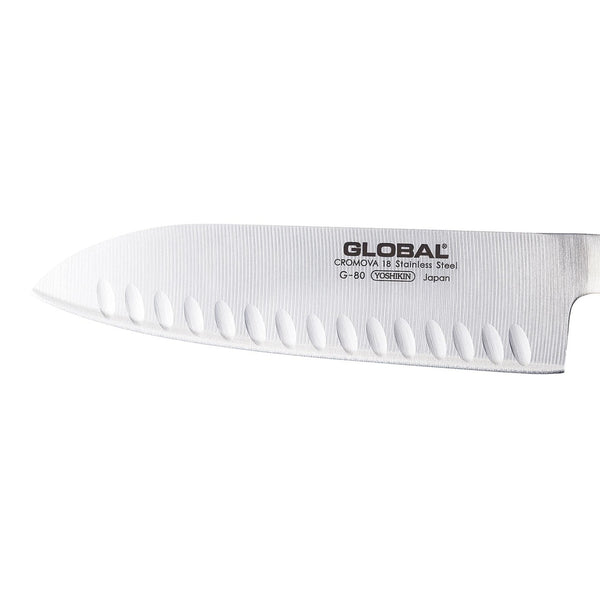
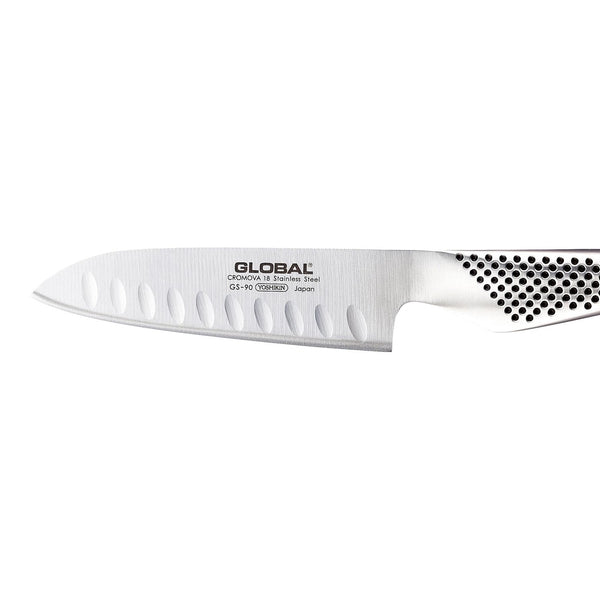
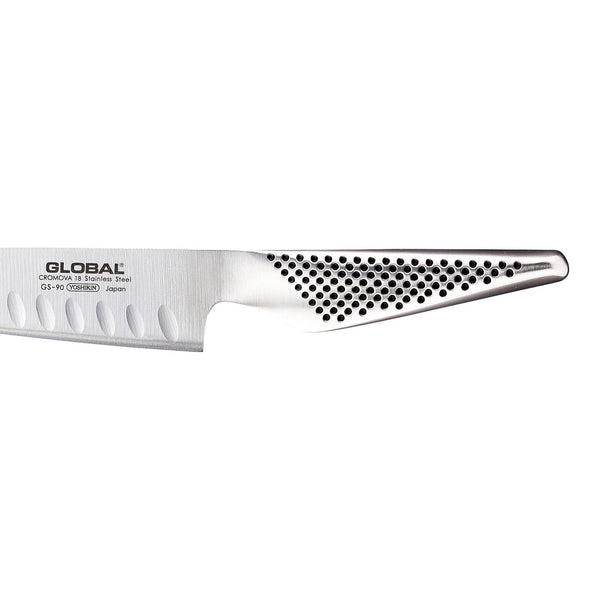
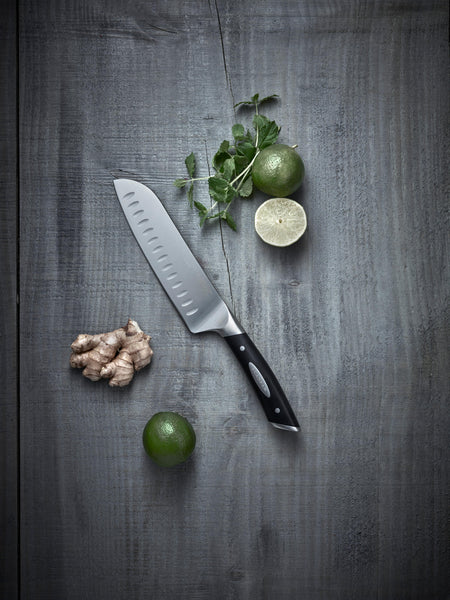
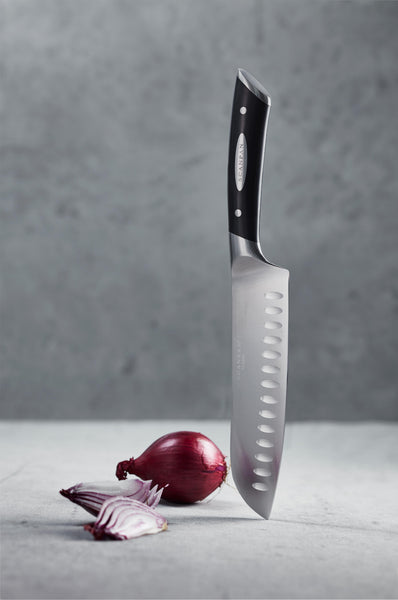
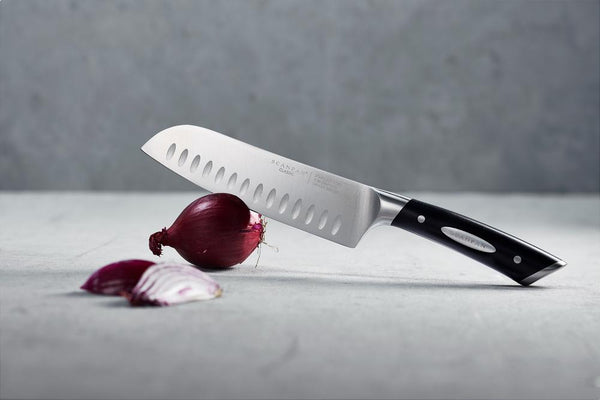
Granton Edge Dimples: Reduce sticking by limiting food contact with the blade.
Precision Ground Edges: Help maintain cleaner and smoother cutting performance.
Santoku Knife vs Chef’s Knife
Both knife styles are versatile, but they support different cutting techniques and kitchen preferences.
Santoku Knife: Shorter flatter blade designed for straight slicing and push cuts.
Chef’s Knife: Longer curved blade designed for rocking cutting motion.
Santoku Advantages: Better control, lighter handling, and cleaner vegetable prep.
Chef’s Knife Advantages: Greater reach and versatility for heavier preparation work.
Many kitchens benefit from using both styles depending on preparation needs and personal cutting preference.
Explore Trusted Santoku Knife Brands
Our collection includes globally respected brands selected for cutting performance, craftsmanship, and long-term reliability.
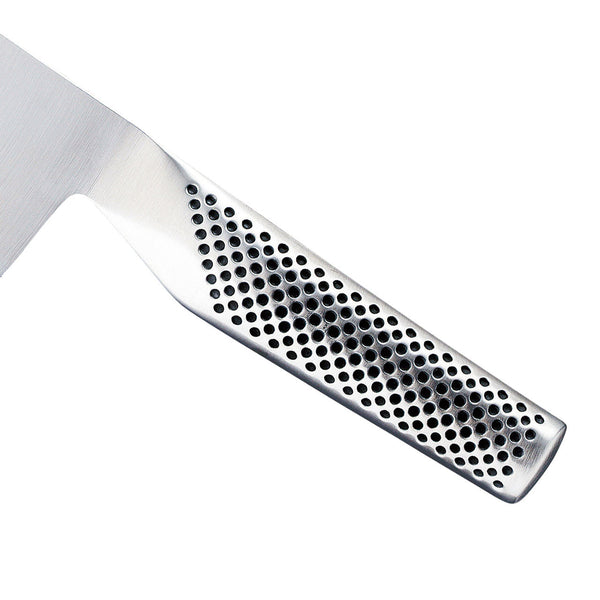
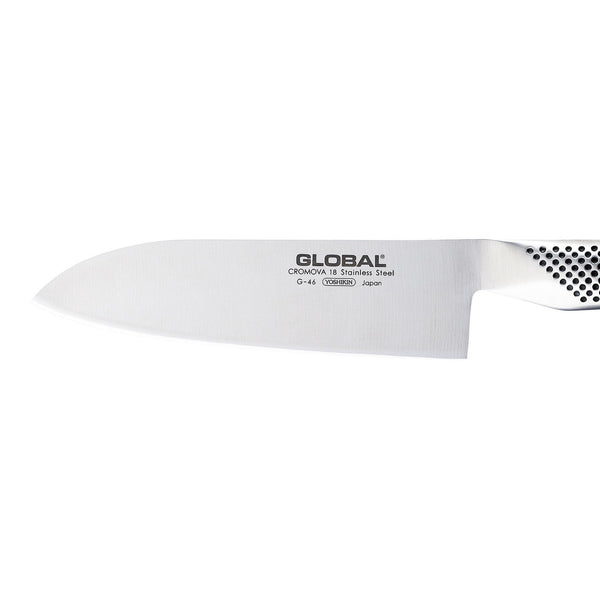
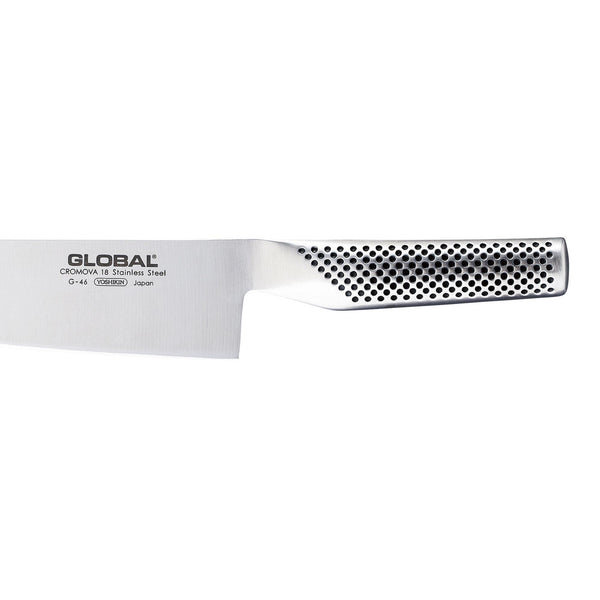
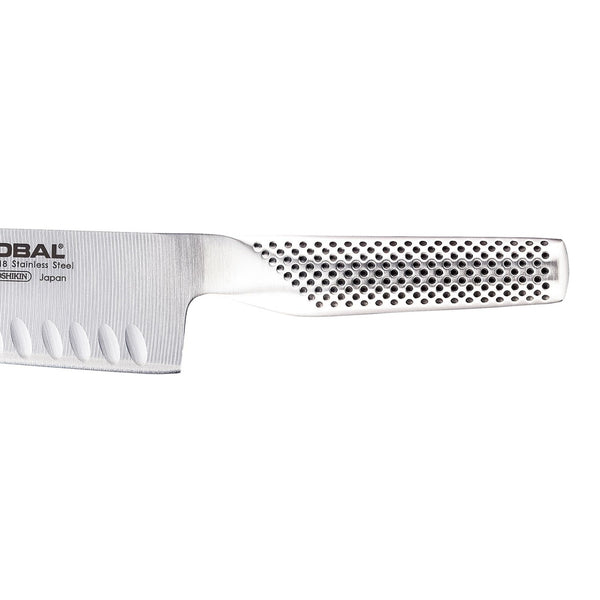
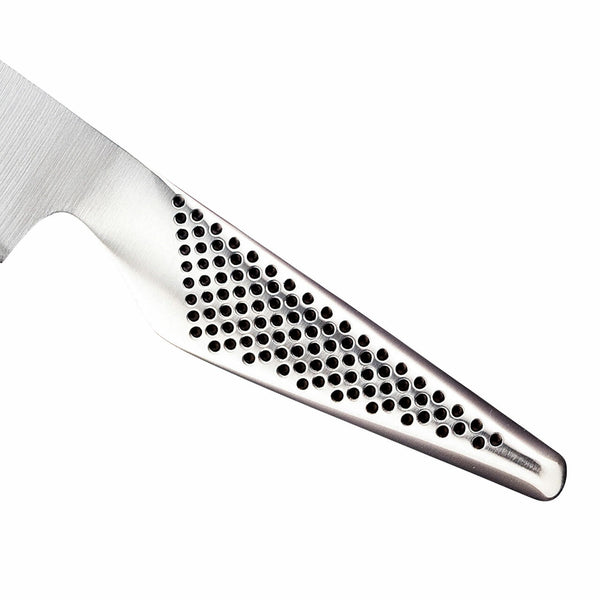
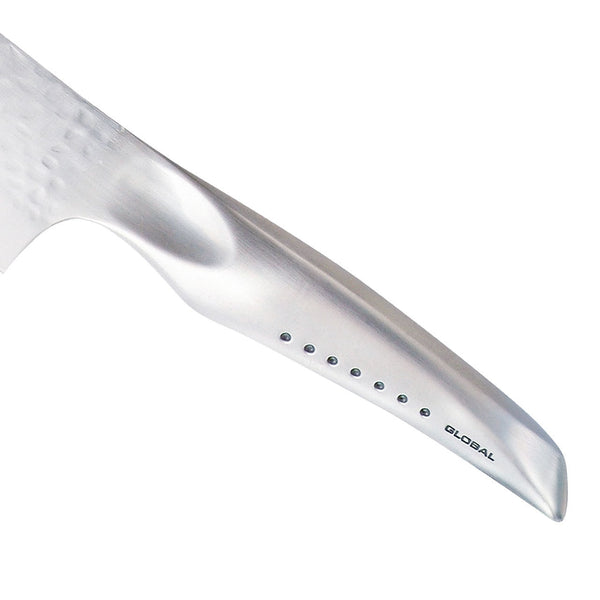
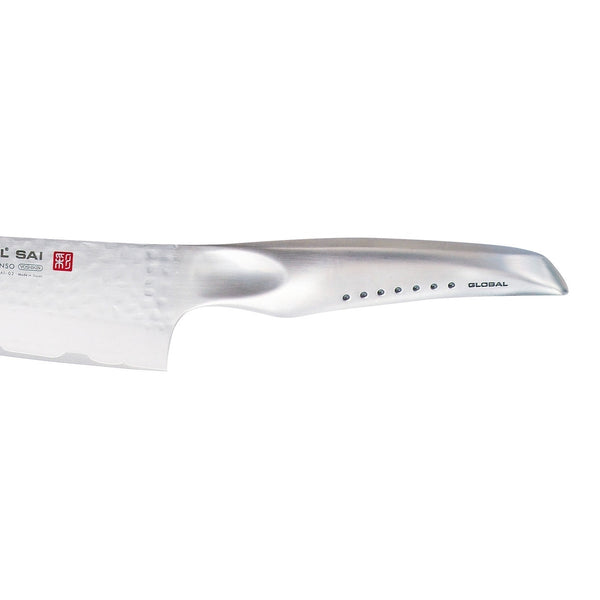
Global – Lightweight stainless steel knives with excellent balance and precision.
Miyabi – Refined Japanese craftsmanship focused on sharpness and detail.
Shun – Premium layered steel blades designed for precision slicing.
Zwilling – Durable German-engineered knives for consistent daily performance.
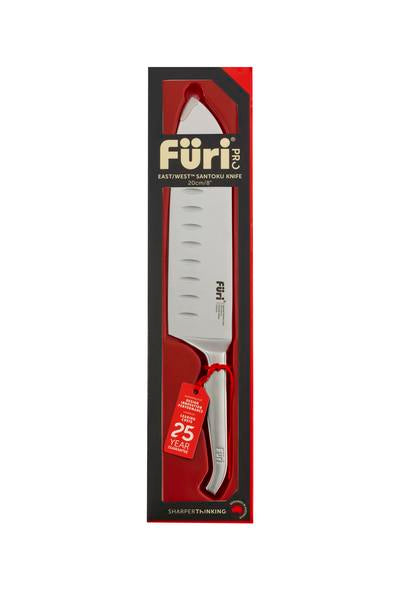
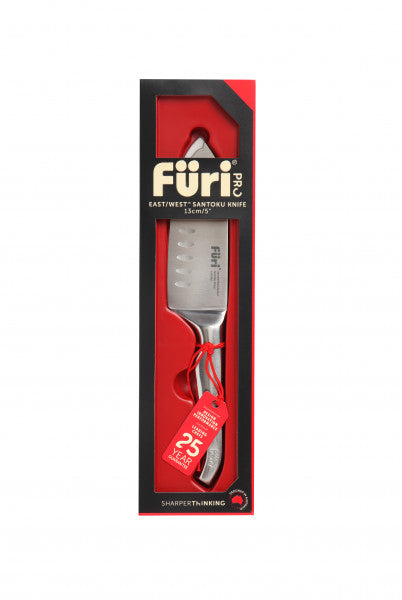
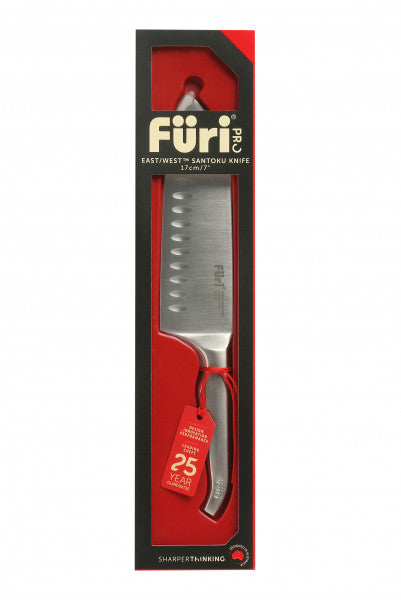
Furi – Ergonomic designs engineered for comfort and kitchen control.
Scanpan – Practical high-performance knives designed for everyday preparation.
Victorinox – Dependable versatile knives suited for daily kitchen use.
How to Choose the Right Santoku Knife
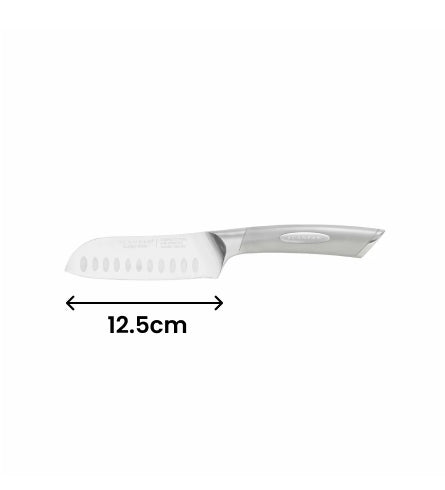
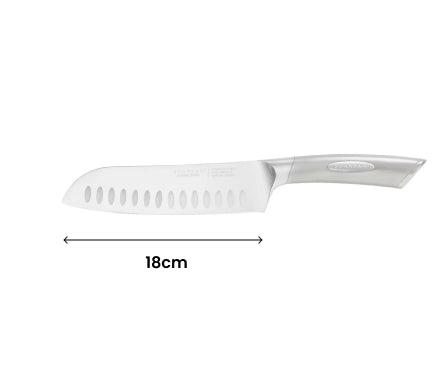
Blade Length: Mid-sized blades provide a balance between versatility and precision.
Weight Preference: Lightweight knives improve agility while heavier blades provide additional cutting power.
Handle Comfort: Ergonomic grips improve safety and long-term comfort.
Edge Design: Granton edges help reduce sticking during slicing tasks.
Cooking Style: Choose based on whether you prioritise precision slicing or all-purpose prep work.