Cooking Thermometers NZ – Precision Cooking Starts with Accurate Temperature
Cooking Thermometer NZ: Controlling temperature is one of the most important factors in achieving consistent cooking results. A reliable cooking thermometer allows you to measure internal temperatures with accuracy, helping ensure food is cooked safely while maintaining the desired texture and flavour.
From roasting meats and grilling to baking, confectionery, and beverage preparation, a thermometer removes uncertainty and supports better decision-making during cooking. Whether used occasionally or as part of everyday cooking, it provides a level of control that improves overall kitchen performance.
Explore Trusted Cooking Thermometer Brands
Our collection includes carefully selected brands known for precision, durability, and ease of use across a wide range of cooking applications.
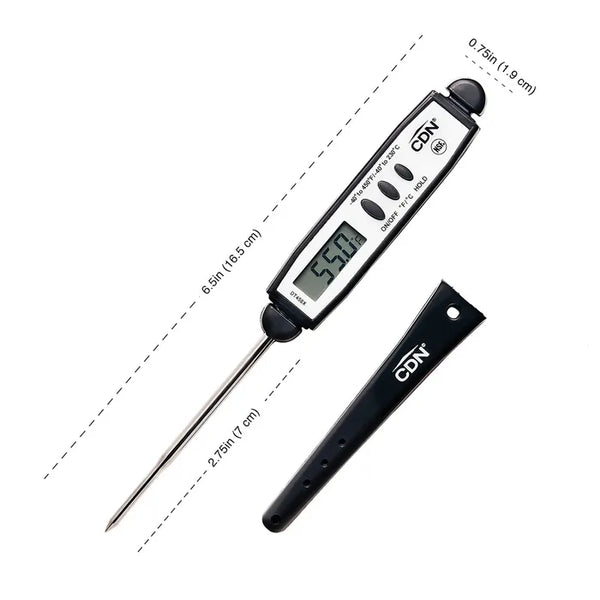
CDN thermometers are widely used for their consistent accuracy, offering digital probe models, oven thermometers, and specialised tools for meat and baking applications.
Cuisena offers versatile thermometer options designed for meat preparation, sugar work, and temperature monitoring across different kitchen environments.
Gefu thermometers help maintain precision during roasting and baking, ensuring stable temperature monitoring throughout the cooking process.
Key Factors to Consider When Choosing a Thermometer
Measurement Accuracy: Essential for both food safety and achieving the correct doneness.
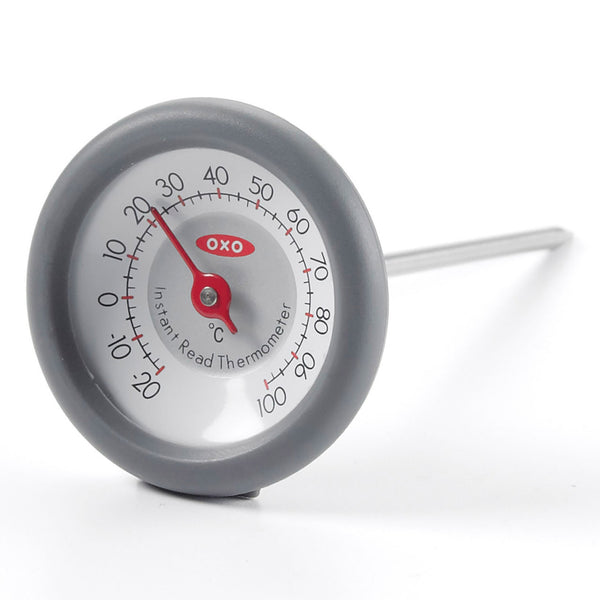
Thermometer Style: Instant-read models are suited for quick checks, while probe thermometers allow continuous monitoring.
Temperature Range: A broader range supports varied cooking tasks, from low-temperature baking to high-heat frying.
Response Time: Faster readings help reduce heat loss and prevent overcooking.
Ease of Reading: Clear displays improve usability during active cooking.
Durability: Strong materials and heat-resistant probes ensure long-term reliability.
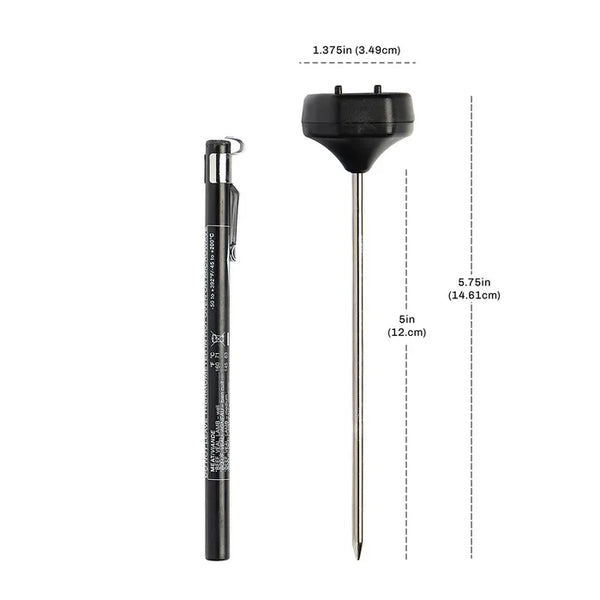
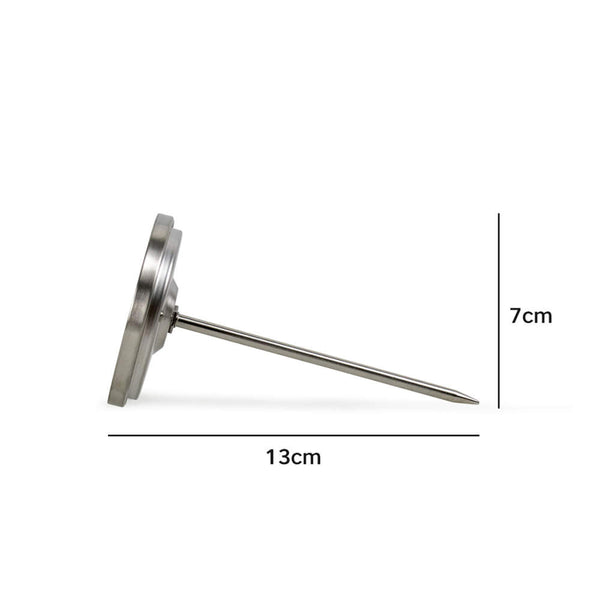
Probe Design: Longer probes are useful for thick cuts of meat and deep liquids.
Additional Functions: Features such as alarms, presets, and waterproof construction add convenience.
Common Types of Cooking Thermometers
Meat Thermometers
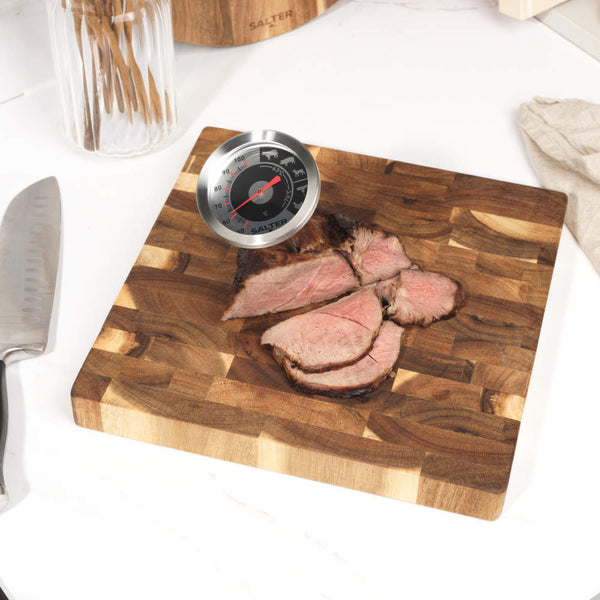
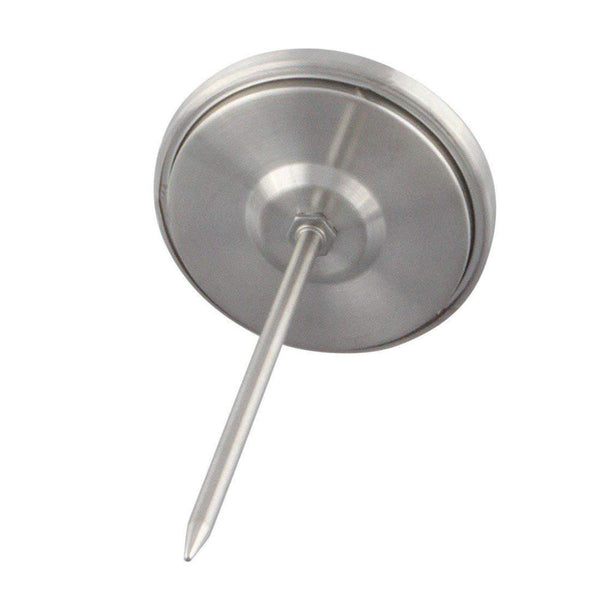
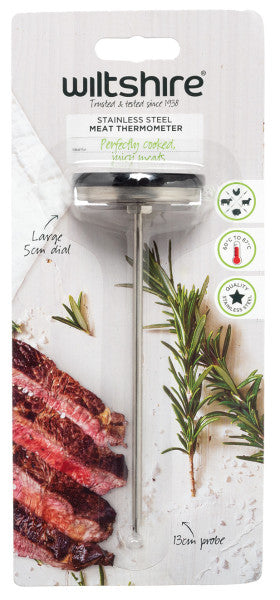
Used to measure internal temperatures of meats, helping achieve safe cooking levels and preferred doneness.
Instant-Read Digital Thermometers
Provide rapid temperature readings, making them ideal for quick checks during cooking.
Oven Thermometers
Monitor internal oven temperature to ensure consistent heat levels for baking and roasting.
Candy and Deep-Fry Thermometers
Designed to handle higher temperatures required for sugar work and frying applications.
Milk Thermometers
Assist in achieving correct temperatures for frothing milk without overheating.
Fridge and Freezer Thermometers
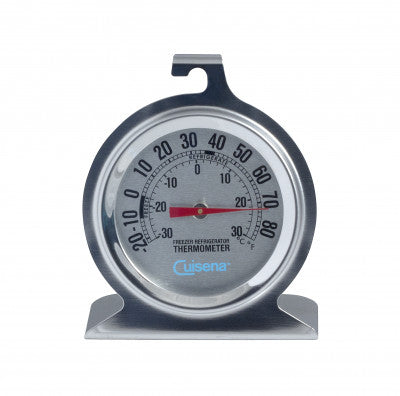
Help maintain safe storage conditions by monitoring internal appliance temperatures.
Using a Cooking Thermometer Effectively
Insert the probe into the thickest section of the food for the most accurate reading.
Avoid contact with bone or cookware surfaces, as this can affect accuracy.
Allow time for the reading to stabilise before removing the thermometer.
Clean the probe thoroughly after each use to maintain hygiene.
Correct usage ensures reliable measurements and improves overall cooking results.
Care and Maintenance
After use, clean the probe with warm soapy water and dry it completely before storage. Avoid immersing electronic components unless specified as waterproof. Replace batteries when required and periodically check calibration to maintain consistent accuracy.
Combining accurate temperature measurement with reliable timing helps improve cooking consistency and control across a wide range of recipes.
Shop Cooking Thermometers at Living Styles
At Living Styles, our cooking thermometers are selected for precision, durability, and ease of use in everyday kitchens. The range supports a variety of cooking methods, from roasting and grilling to baking and specialised tasks.
With fast delivery across New Zealand and a focus on practical kitchen tools, you can rely on accurate temperature control for better cooking outcomes.
Cooking Thermometers – Buyer FAQs
Which thermometer is best for grilling?
Instant-read digital thermometers are ideal for grilling as they provide fast readings without prolonged heat loss.
Can probe thermometers be left in the oven?
Yes, oven-safe probe thermometers are designed to remain inside food during cooking for continuous monitoring.
Are thermometers useful for baking?
Yes, they help control sugar temperatures, monitor milk heat, and verify internal doneness of baked goods.
How do I maintain thermometer accuracy?
Regular cleaning, proper storage, battery replacement, and occasional calibration checks help maintain accuracy.
What internal temperature should cooked meat reach?
Safe temperatures vary by meat type, with poultry typically requiring around 74°C and other meats depending on preferred doneness.