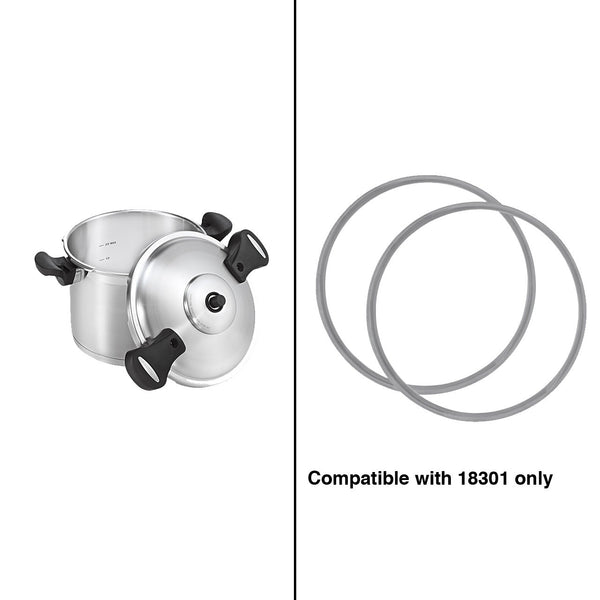
Pressure Cookers NZ – Faster, Smarter Cooking for Modern Kitchens
Pressure Cookers: Pressure cooking is one of the most efficient ways to prepare meals while preserving flavour and nutrients. By cooking food in a sealed environment with pressurised steam, pressure cookers raise the boiling point of water, allowing food to cook significantly faster than traditional stovetop methods.
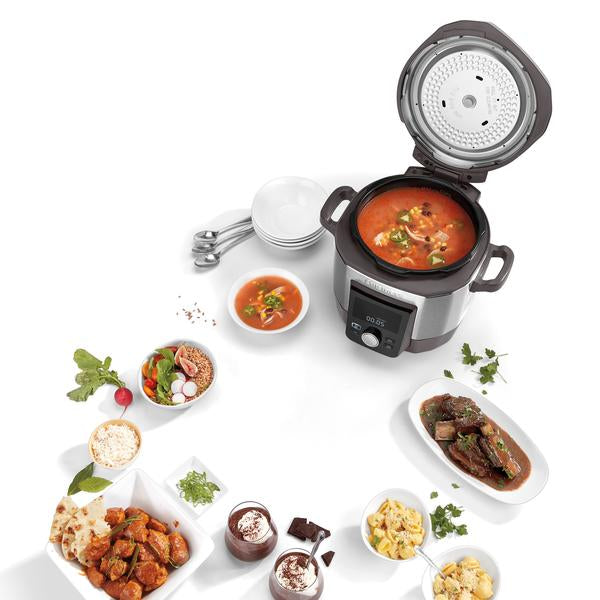
At The Living Styles, our collection of pressure cookers includes high-quality stovetop and electric models designed for everyday home cooking. These versatile appliances are ideal for preparing soups, stews, beans, curries, rice, braised meats, and even desserts with less cooking time.
Whether you want to reduce cooking time on busy weeknights or create slow-cooked flavours in minutes, modern pressure cookers offer convenience, efficiency, and reliable results.
Popular Pressure Cooker Brands in New Zealand
Our collection includes trusted cookware brands known for safety, durability, and reliable cooking performance.
Instant Pot – Multi-function electric cookers that combine pressure cooking, slow cooking, sautéing, and rice cooking in one appliance.
Pyrolux – Durable stainless steel pressure cookers designed for reliable stovetop cooking.
Westinghouse – Modern pressure cookers with practical features and generous capacity for family meals.
WMF – German engineered pressure cookers built with precision temperature and pressure control.
Fissler – Premium cookware brand known for exceptional build quality and advanced pressure cooking systems.
Wiltshire – Practical and reliable pressure cookers designed for everyday home kitchens.
Benefits of Cooking with a Pressure Cooker
Faster cooking times: Meals cook up to 70% faster compared with conventional methods.
Better flavour retention: Sealed cooking environments help preserve natural flavours.
Improved nutrient retention: Shorter cooking times help maintain vitamins and minerals.
Energy efficiency: Reduced cooking time means lower energy consumption.
Versatile cooking: Suitable for soups, grains, beans, meats, sauces, and desserts.
Because of these advantages, pressure cookers remain a popular appliance for both experienced cooks and beginners.
Choosing the Right Pressure Cooker
When selecting a pressure cooker, it’s helpful to consider your cooking habits and kitchen setup.
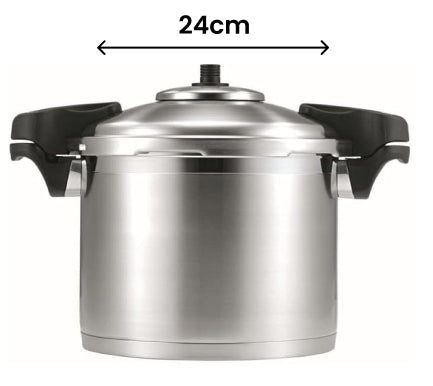
Stovetop pressure cookers: Durable and powerful, suitable for experienced cooks who prefer manual control.
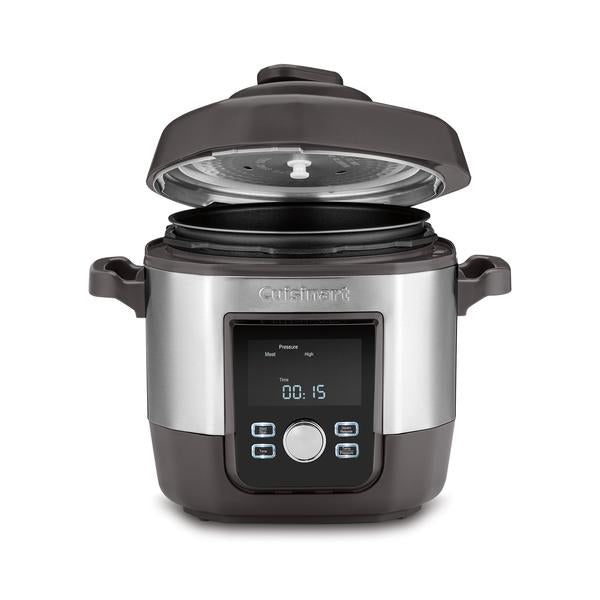
Electric pressure cookers: Feature digital controls and automatic cooking programs for convenience.
Material: Stainless steel cookers offer durability and easy maintenance.
Safety features: Look for models with locking lids, pressure release valves, and safety indicators.
Choosing a pressure cooker that matches your cooking style can make meal preparation easier and more efficient.
Pressure Cooker Sizes & Capacity Guide
Small (Below 3L): Ideal for individuals or couples preparing smaller meals.
Medium (3–7.9L): A versatile size suitable for families and everyday cooking.
Large (8L+): Best for large households, meal preparation, or cooking larger cuts of meat.
Selecting the right size ensures efficient cooking while avoiding unnecessary energy use.
Choose a Pressure Cooker for Your Kitchen Setup
The best pressure cooker depends on how you prefer to cook and the equipment already in your kitchen. Some cooks prefer the control and simplicity of a stovetop model, while others want cookware that works efficiently with a modern induction cooktop. Looking at these differences can help you narrow down the right option.
Stainless Steel Pressure Cookers are a dependable choice for regular pressure cooking. Stainless steel provides a durable cooking surface that is well suited to soups, stews, beans, curries and meat-based dishes. Many models also feature sturdy bases designed to distribute heat effectively during cooking.
Induction Pressure Cookers are designed for kitchens using induction cooktops. Their compatible bases allow pressure cooking to be combined with the fast and responsive heating of induction technology. They are a practical option when you want your pressure cooker to fit seamlessly into a modern kitchen setup.
When deciding between the two, consider your cooktop first and then think about the meals you prepare most often. Choosing a pressure cooker that matches your kitchen equipment can make high-pressure cooking more convenient and easier to incorporate into your regular routine.
These cookware options complement pressure cooking and help expand your cooking capabilities.
Why Shop Pressure Cookers at The Living Styles?
The Living Styles offers a carefully selected range of pressure cookers from trusted cookware brands. Our collection includes durable stovetop and electric pressure cookers designed to support everyday cooking in New Zealand homes.
Customers enjoy competitive pricing, fast nationwide shipping, and free delivery on orders over $150, along with reliable customer support when shopping with us.
Pressure Cooker – Frequently Asked Questions
What is a pressure cooker and how does it work?
A pressure cooker seals steam inside the pot, increasing pressure and temperature. This allows food to cook faster while retaining flavour and nutrients.
Are modern pressure cookers safe to use?
Yes. Modern pressure cookers include safety valves, pressure indicators, and locking lids designed to prevent accidental opening while under pressure.
Can pressure cookers be used on induction cooktops?
Most stainless steel pressure cookers are compatible with induction cooktops. Check the product base to confirm induction compatibility.
What size pressure cooker should I choose?
A 4–6 litre pressure cooker works well for small households, while 6–8 litre models are better suited for family meals and batch cooking.
What foods can be cooked in a pressure cooker?
Pressure cookers are ideal for soups, stews, beans, rice, curries, braised meats, grains, and many other dishes that benefit from moist cooking.
How do I clean a pressure cooker?
Allow the cooker to cool before cleaning. Wash the pot and lid with warm soapy water and ensure the pressure valve and sealing ring are clean and dry.