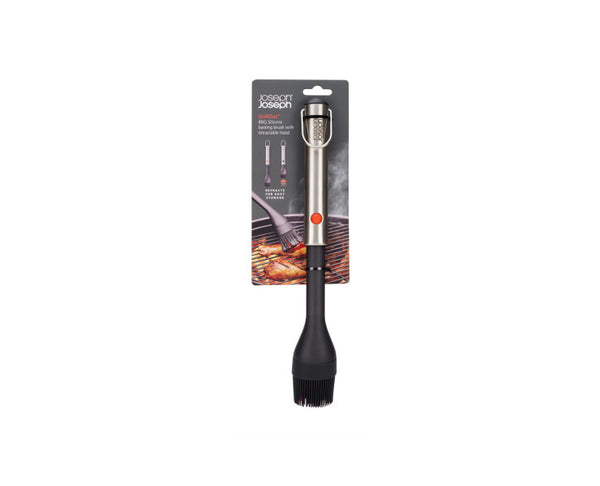
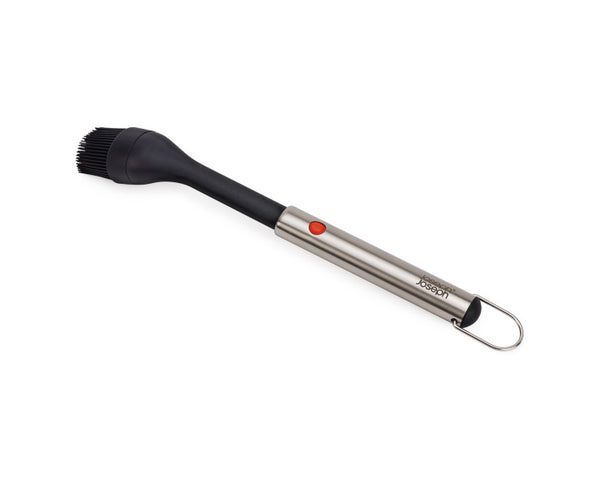
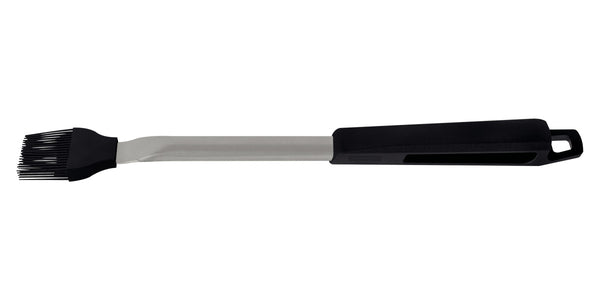
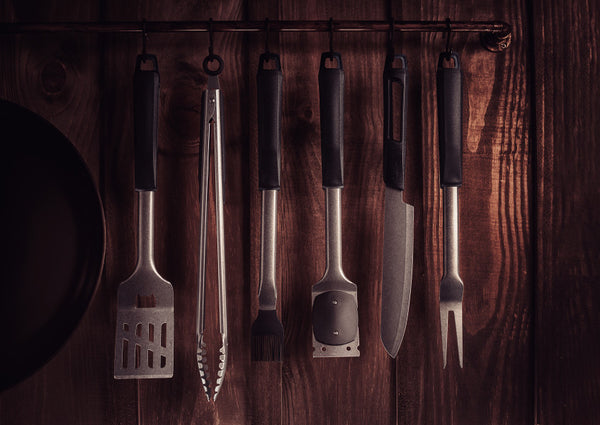
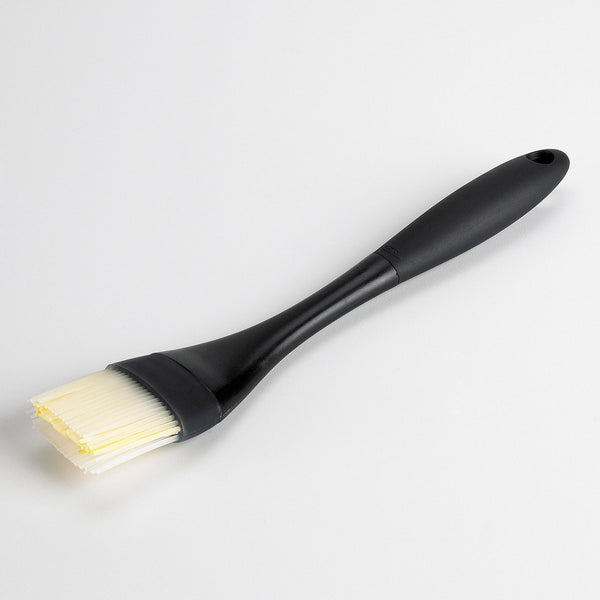
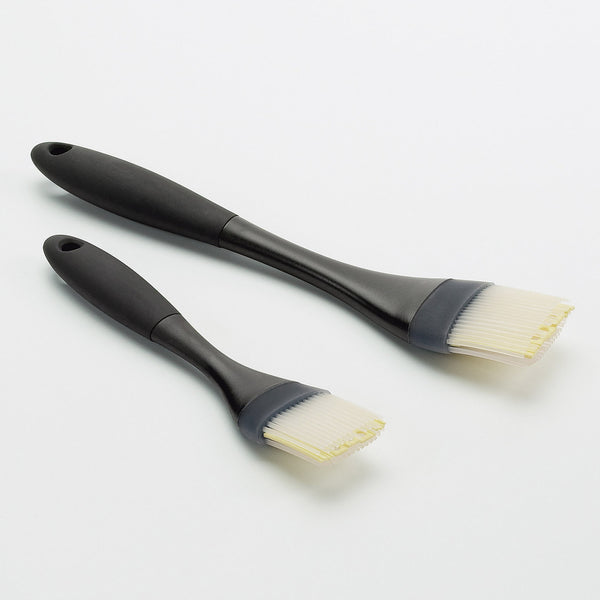
Basting Brushes in New Zealand: A reliable basting brush allows you to apply oils, marinades, sauces, and glazes evenly across food surfaces. Whether you are brushing melted butter over pastry, coating vegetables before roasting, or glazing meat during a BBQ, the right brush helps distribute liquids smoothly while maintaining control.
Our basting brush collection includes practical tools designed for everyday cooking in New Zealand kitchens. From silicone brushes suited to high-heat grilling to compact brushes ideal for delicate baking tasks, these utensils help ensure consistent flavour, better browning, and professional-looking results.
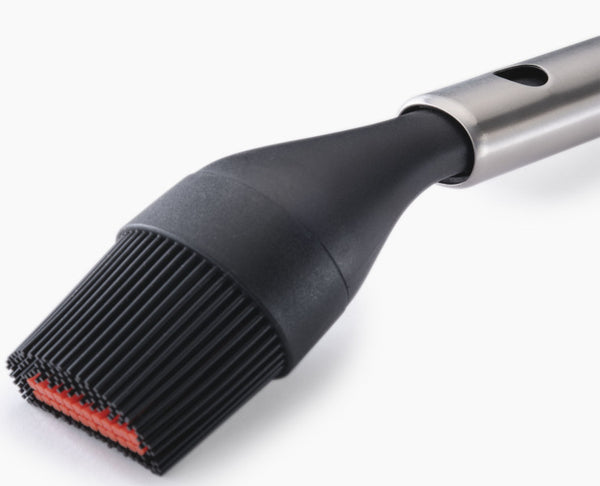
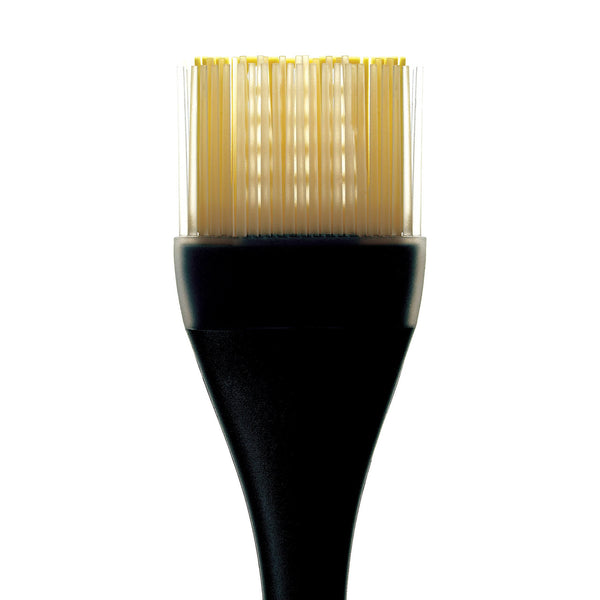
Made with durable materials such as heat-resistant silicone bristles and ergonomic handles, these brushes are designed to withstand frequent use while remaining hygienic and easy to clean.
Reliable Basting Brush Brands in Our Range
We offer basting brushes from trusted kitchenware brands known for practical design, quality materials, and dependable performance in home kitchens.
Progressive basting brushes are designed for everyday functionality. Their silicone bristles help spread marinades and sauces evenly while resisting heat and food staining.
Avanti offers flexible silicone basting brushes that allow controlled application when glazing pastries, roasting meats, or coating food with butter and oils.
Chasseur kitchen tools combine durability with classic design. Their silicone brushes provide reliable coverage when applying marinades, cooking oils, and sauces.
Zyliss basting brushes feature stain-resistant silicone bristles and ergonomic handles that offer comfort and control when grilling, roasting, or baking.
Types of Basting Brushes for Different Cooking Tasks
Basting brushes come in different materials and sizes depending on how they will be used in the kitchen.
Silicone Basting Brushes – Heat resistant, durable, and ideal for grilling, roasting, and non-stick cookware.
Natural Bristle Brushes – Traditional brushes that hold more liquid, often used for baking or pastry glazing.
Compact Baking Brushes – Smaller brushes designed for precise tasks such as egg wash, buttering pastry, or greasing baking pans.
Wide BBQ Brushes – Larger brushes that help coat meats and vegetables quickly when grilling or barbecuing.
Choosing the correct brush design helps improve coating consistency and reduces excess dripping or uneven coverage.
How to Choose the Best Basting Brush
When selecting a basting brush for your kitchen, several practical factors can affect both performance and durability.
Bristle Material: Silicone bristles are heat resistant and hygienic, while natural bristles may hold more liquid for heavy glazes.
Heat Tolerance: Brushes used for grilling or roasting should withstand higher temperatures without melting or warping.
Brush Width: Larger brushes allow faster coating of meats or vegetables, while smaller brushes offer more precision for pastries.
Handle Grip: Non-slip handles improve control when applying oils, sauces, or marinades.
Cleaning Convenience: Dishwasher-safe silicone brushes simplify maintenance and help maintain hygiene.
A well-designed basting brush allows controlled application of liquids, improving flavour distribution and cooking results.
Why Silicone Basting Brushes Are Widely Preferred
Silicone basting brushes have become a popular choice in modern kitchens due to their durability and hygiene benefits. Unlike traditional bristles, silicone does not shed or absorb flavours, making it suitable for use with marinades, oils, sauces, and sweet glazes.
These brushes also resist high temperatures, allowing them to be used safely on grills, roasting trays, and hot cookware. Their flexible bristles help distribute liquids evenly across food surfaces while remaining easy to clean after cooking.
For busy New Zealand households, silicone brushes offer a practical balance of performance, durability, and convenience.
Common Uses for a Basting Brush in the Kitchen
Applying marinades to meat or seafood before grilling
Brushing oil or butter over vegetables for roasting
Glazing pastries with egg wash for a golden crust
Spreading BBQ sauce during grilling
Greasing baking trays and cake pans
Applying melted butter to bread or pastry
Because of their versatility, basting brushes are widely used across baking, roasting, and outdoor cooking.
Kitchen Tools That Pair Well With Basting Brushes
When preparing food for roasting, baking, or grilling, several other utensils can help simplify cooking tasks:
Combining quality cookware and utensils helps create a more efficient kitchen setup for everyday cooking and baking.
Care and Maintenance for Basting Brushes
To keep your basting brush clean and hygienic, rinse it soon after use to remove oils, marinades, or sugary glazes. Most silicone brushes can be washed in warm soapy water or placed in the dishwasher.
Allow the brush to dry completely before storing. Regular inspection ensures the bristles remain intact and free from residue buildup.
Basting Brush – Frequently Asked Questions
What is a basting brush used for?
A basting brush is used to apply oils, butter, sauces, marinades, or egg wash evenly across food. It is commonly used for grilling, roasting meats, glazing pastries, and greasing baking pans.
Are silicone basting brushes better than natural bristle brushes?
Silicone brushes are widely preferred because they resist heat, do not absorb flavours, and do not shed bristles. They are easy to clean and suitable for grilling, roasting, and baking.
Can a basting brush be used on non-stick cookware?
Yes. Silicone basting brushes are safe for non-stick cookware because they are soft and will not scratch delicate surfaces.
How do I clean a silicone basting brush?
Silicone brushes can be washed with warm soapy water or placed in the dishwasher if dishwasher safe. Their non-porous surface prevents grease and food particles from becoming trapped.
Can a basting brush be used for baking?
Yes. Basting brushes are frequently used in baking to apply egg wash, melted butter, syrup glazes, or oil to pastry and bread before baking.