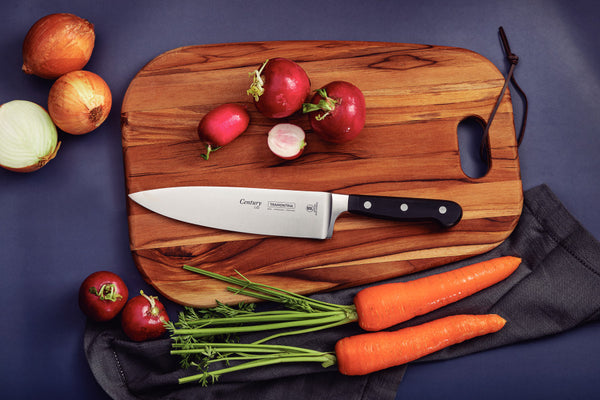
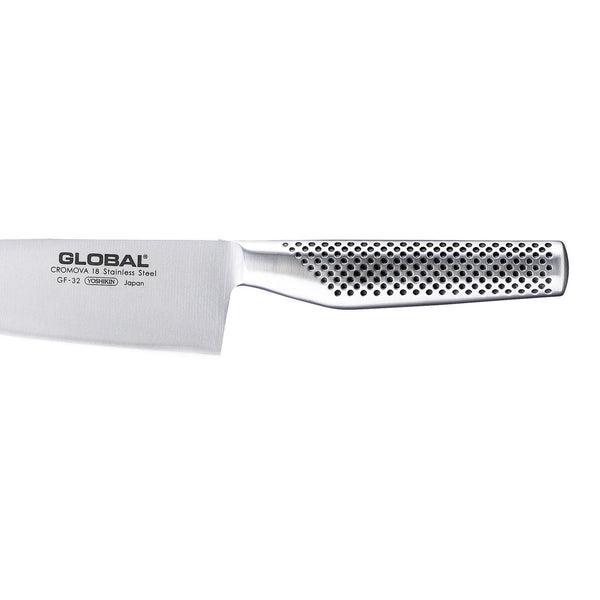
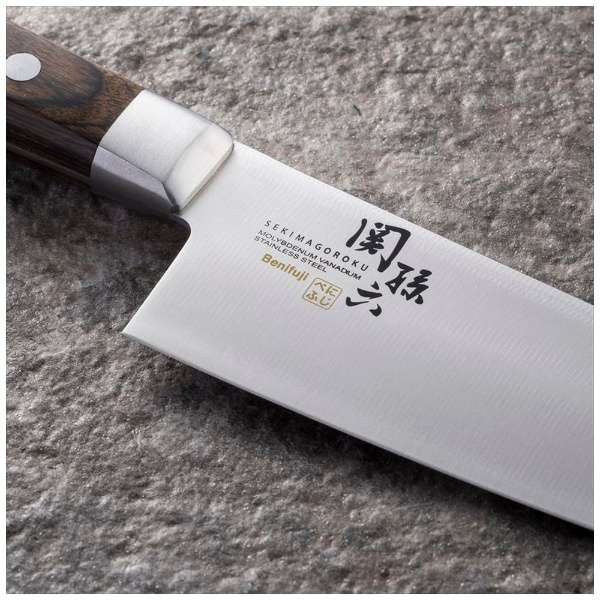
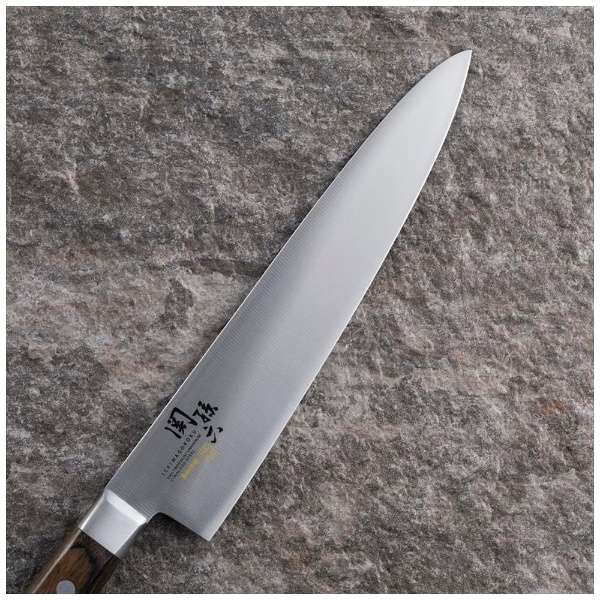
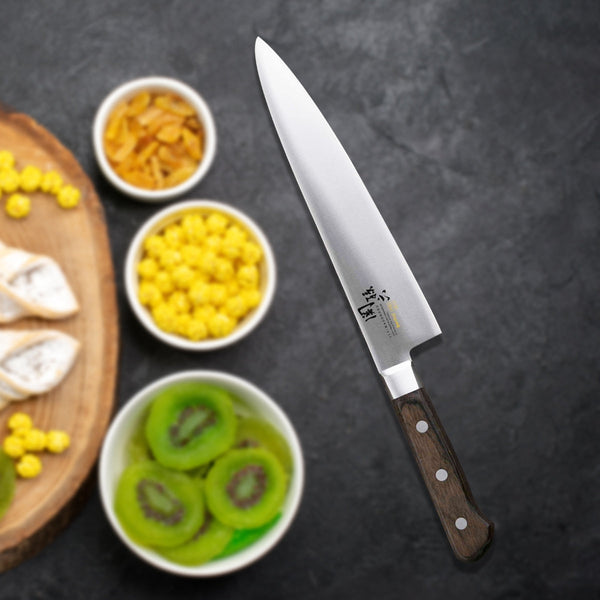
Chef’s knives are the foundation of almost every kitchen setup, designed to handle a wide variety of food preparation tasks with speed, balance, and control. From chopping vegetables and slicing proteins to mincing herbs and preparing large ingredients, a quality chef’s knife delivers the versatility needed for everyday cooking.
At The Living Styles, our Chef’s Knives NZ collection includes Japanese and European-style kitchen knives selected for sharpness, ergonomic comfort, durability, and long-term cutting performance. Whether you are building your first knife setup or upgrading your preparation tools, a reliable chef’s knife becomes one of the most frequently used tools in the kitchen.
Why a Chef’s Knife Is the Most Important Kitchen Knife
A chef’s knife is designed to replace multiple kitchen tools by handling most cutting tasks efficiently with a single blade.
All-Purpose Versatility: Suitable for vegetables, herbs, meats, fruit, and everyday preparation.
Improved Efficiency: Handles most kitchen prep tasks without switching knives.
Balanced Cutting Control: Designed for safer, smoother, and more accurate slicing.
Efficient Chopping Motion: Blade geometry supports fast repetitive cutting.
Professional Kitchen Performance: Ideal for both home cooks and advanced food preparation.
Explore Trusted Chef’s Knife Brands
Our collection includes globally recognised knife brands selected for craftsmanship, edge retention, and everyday kitchen reliability.
Shun – Japanese-crafted knives designed for razor-sharp precision and refined slicing performance.
WMF – German-engineered kitchen knives focused on durability and consistent cutting control.
Zwilling – Balanced full-tang knives known for edge retention and long-term performance.
Furi – Ergonomic kitchen knives designed for comfort, grip, and everyday use.
Joseph Joseph – Practical modern knives suited for everyday home kitchens.
Kitchen Tasks Chef’s Knives Handle Best
Chef’s knives are designed to manage a wide range of cutting techniques and preparation styles.
Chopping vegetables and herbs
Slicing meat and poultry
Dicing onions and root vegetables
Mincing garlic and herbs
Preparing meal prep ingredients
Portioning proteins and larger produce
General all-purpose kitchen preparation
Japanese vs European Chef’s Knives
Chef’s knives are commonly available in two major styles, each suited to different cutting preferences and cooking techniques.
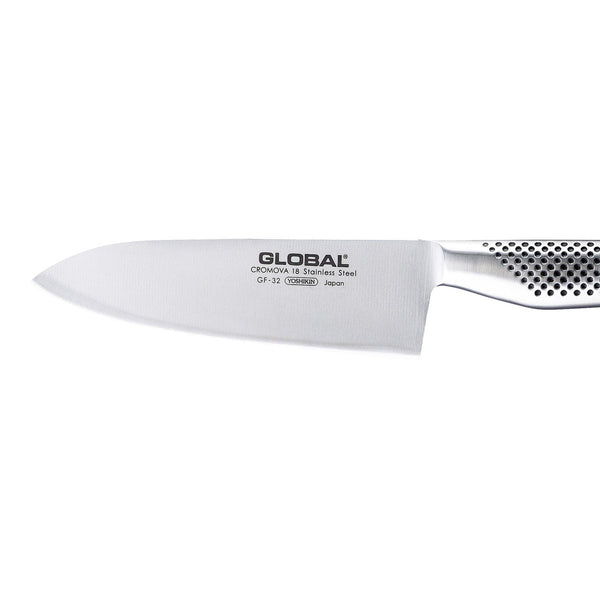
Japanese Chef’s Knives: Lighter thinner blades designed for precision slicing, fine cuts, and sharper edge geometry.
European Chef’s Knives: Heavier more robust blades designed for durability and rocking chopping techniques.
Japanese Profiles: Often preferred for precision prep and cleaner slicing performance.
European Profiles: Commonly chosen for versatility and heavier kitchen tasks.
How to Choose the Right Chef’s Knife
The ideal chef’s knife depends on your kitchen habits, cutting style, and handling preference.
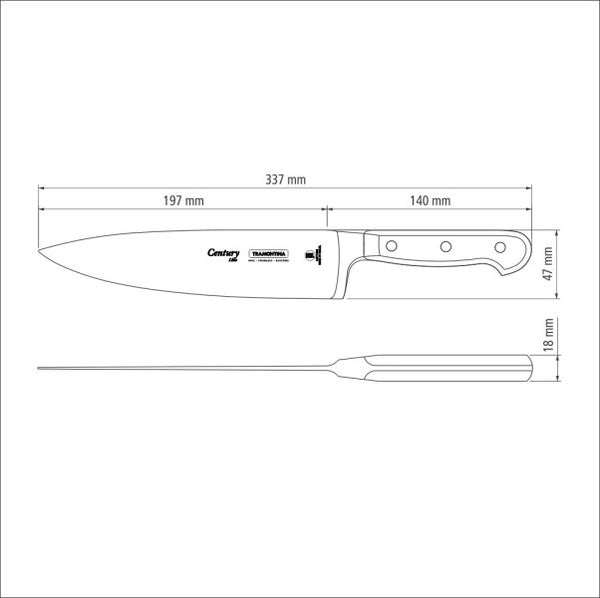
Blade Length: Mid-sized blades provide a strong balance between reach and control.
Weight Preference: Lightweight knives improve agility, while heavier knives offer more cutting power.
Edge Shape: Curved edges support rocking cuts, while flatter profiles suit straight slicing.
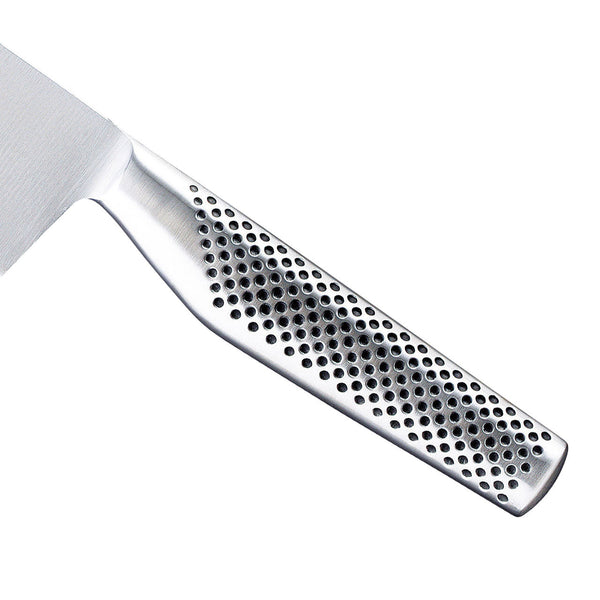
Handle Comfort: Ergonomic grips improve stability and reduce fatigue.
Balance & Grip: A balanced knife improves safety and cutting precision.
Blade Materials & Construction Quality
Material selection influences sharpness retention, durability, maintenance, and cutting feel.
High-Carbon Stainless Steel: Combines corrosion resistance with reliable edge retention.
German Steel: Durable and resilient for heavy everyday kitchen use.
Japanese Steel: Known for ultra-sharp cutting precision and fine edges.
Alloy Steel: Enhanced hardness for longer-lasting sharpness.
Full-Tang Construction: Improves stability, strength, and knife balance.
Polymer & Wood Handles: Designed for comfort, grip, and durability.
Trusted global knife brands selected for everyday kitchen performance
Versatile all-purpose knives suitable for a wide range of preparation tasks
Japanese and European blade styles available
Sharp durable materials designed for long-term use
Suitable for beginner cooks and experienced home chefs
Fast delivery available throughout New Zealand
Explore our Chef’s Knives collection to upgrade your kitchen with versatile high-performance knives designed for cleaner cuts, efficient preparation, and reliable everyday cooking.
Chef’s Knives – Frequently Asked Questions
What is a chef’s knife used for?
Chef’s knives are used for chopping, slicing, dicing, mincing, and general kitchen preparation across a wide range of ingredients.
What size chef’s knife is best for most kitchens?
Most home cooks prefer chef’s knives around 20cm because they offer a strong balance between cutting versatility and handling control.
What is the difference between Japanese and European chef’s knives?
Japanese chef’s knives are generally lighter and sharper for precision cutting, while European knives are heavier and designed for durability and rocking cuts.
How do I maintain a chef’s knife?
Hand washing, regular honing, periodic sharpening, and safe storage help maintain blade sharpness and overall knife performance.
Can chef’s knives go in the dishwasher?
Hand washing is recommended because dishwashers may reduce blade sharpness and damage handle materials over time.