Woks NZ – High-Heat Performance & Rapid Cooking Control
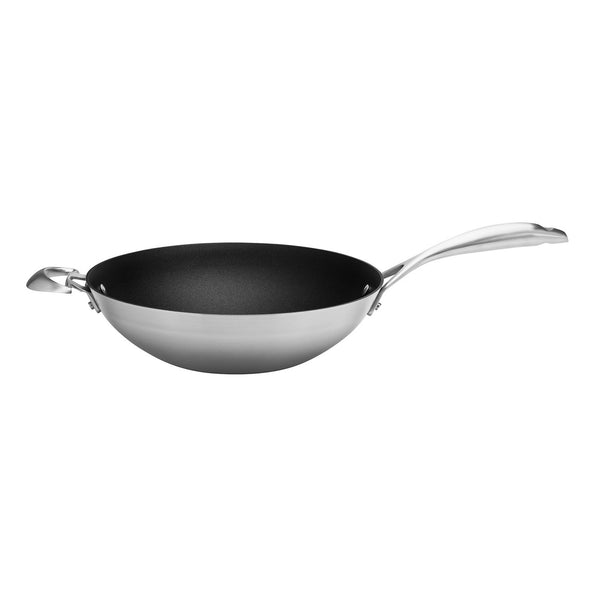
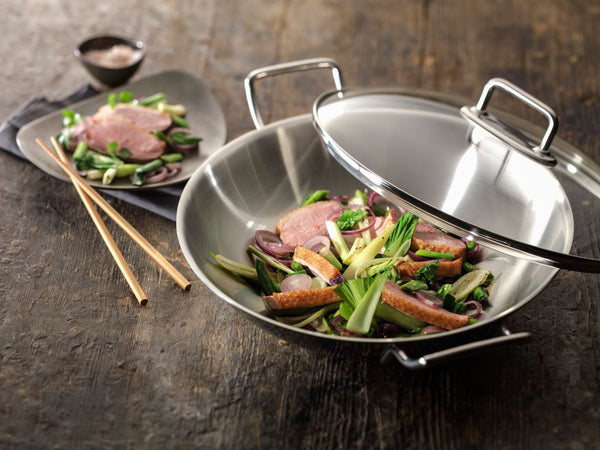
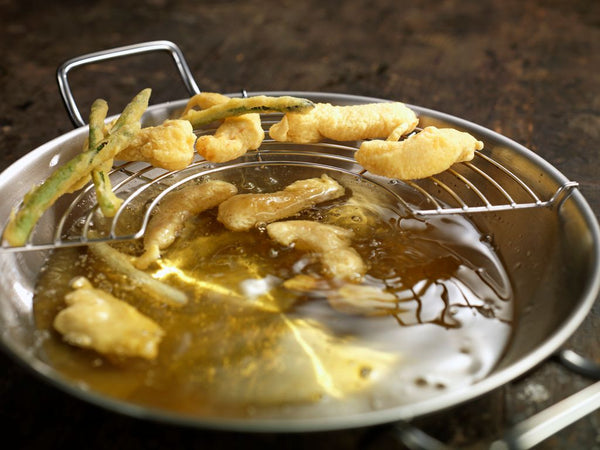
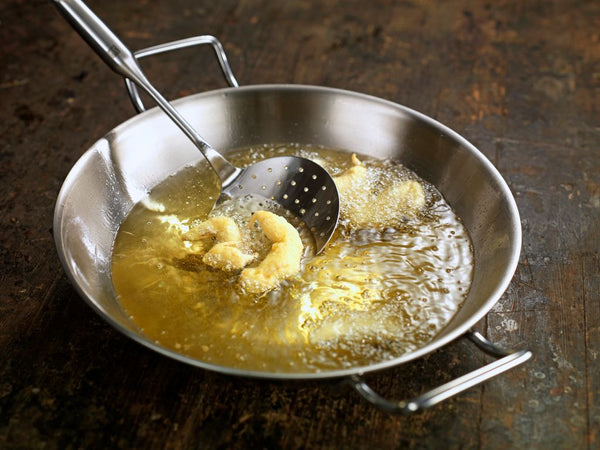
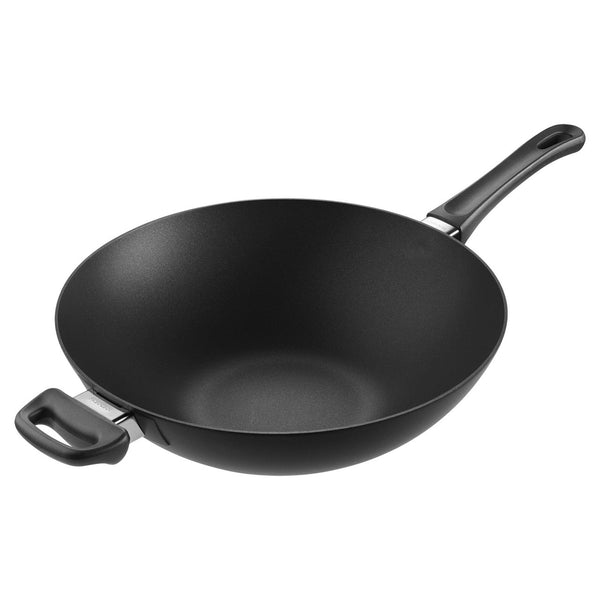
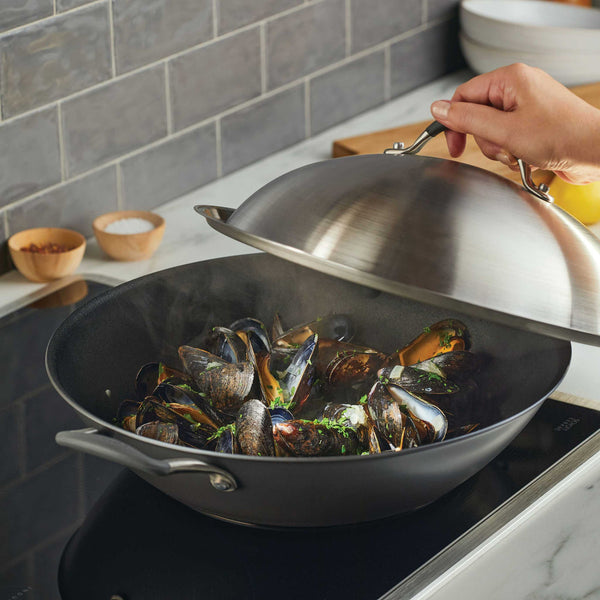
A wok is engineered for high-temperature cooking and continuous movement. Its deep bowl shape and sloped sides allow food to be tossed efficiently while maintaining concentrated heat at the base. This design supports rapid stir-frying, searing, steaming, and shallow frying without overcrowding.
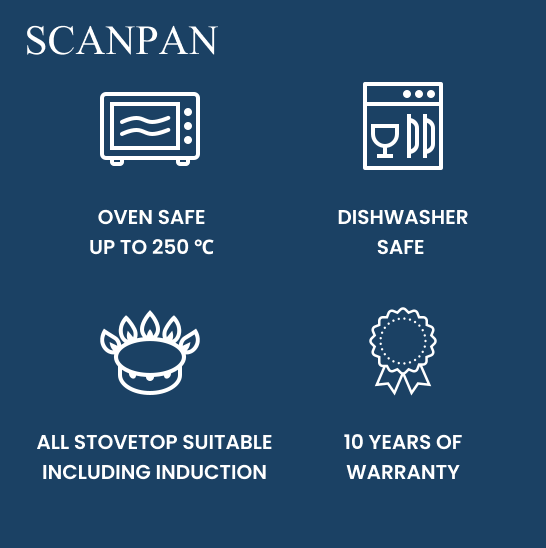
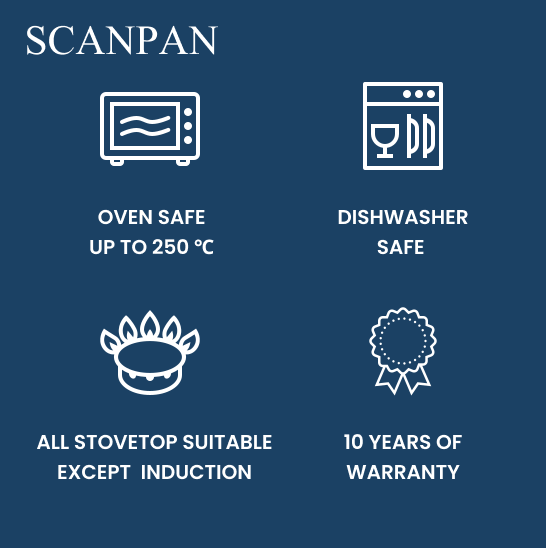
Our woks in NZ are selected for thermal efficiency, structural durability, and compatibility with modern gas, electric, ceramic, and induction cooktops.
Why Wok Shape Matters
Curved Sides: Allow ingredients to move away from intense base heat without removing them from the pan.
Concentrated Heat Zone: The rounded bottom focuses heat for rapid searing.
Large Cooking Surface: Supports batch cooking and tossing.
Efficient Oil Use: High sides reduce splatter and require less oil.
Unlike flat frying pans, woks are designed for continuous motion and high-temperature cooking techniques.
Wok Material Comparison
Material
Heat Performance
Best For
Maintenance
Carbon Steel
Fast heating, highly responsive
Traditional stir-frying
Moderate – requires seasoning
Cast Iron
Excellent heat retention
High-heat searing & braising
Moderate – seasoning required
Stainless Steel
Stable heat, durable structure
Everyday cooking
Low
Non-Stick
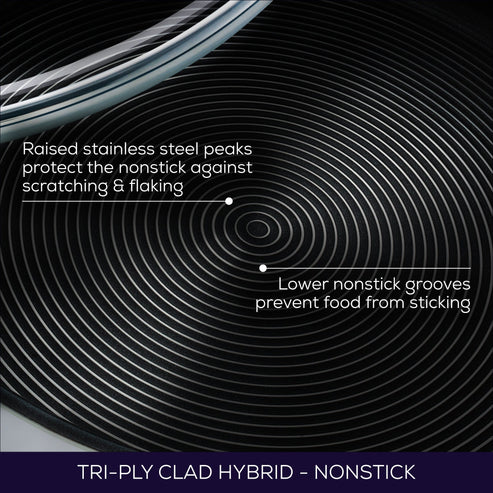
Even heating when layered
Low-oil, quick meals
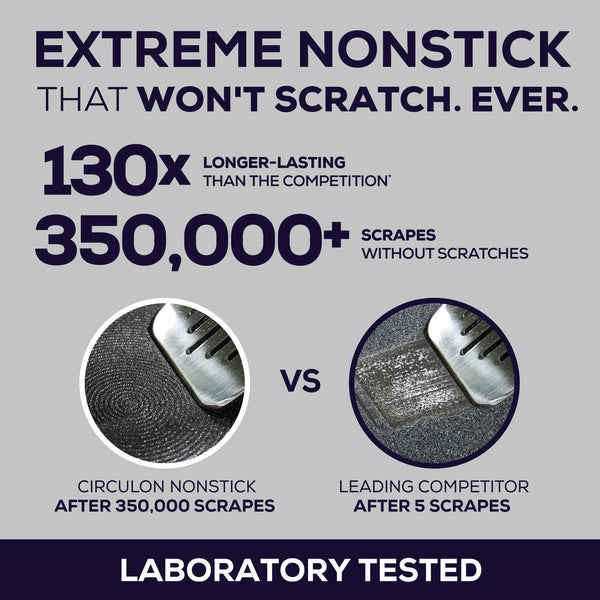
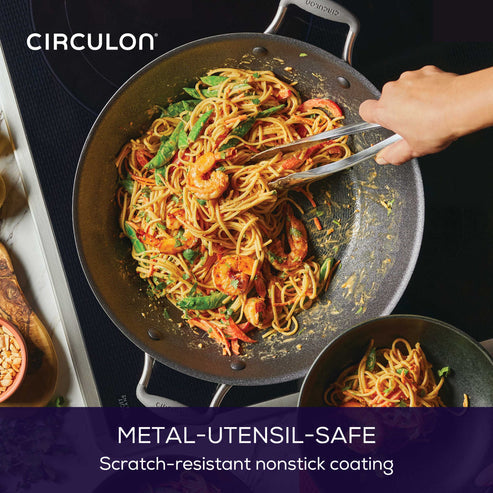
Low – avoid metal utensils
Choosing the Right Wok Size
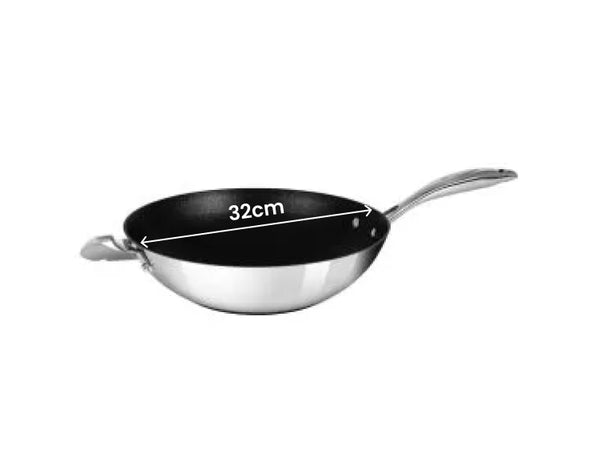
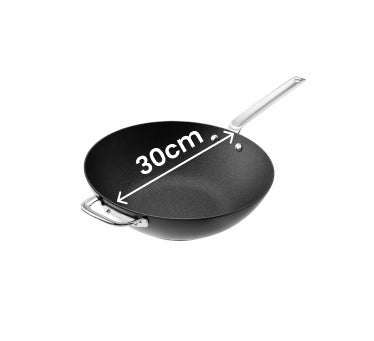
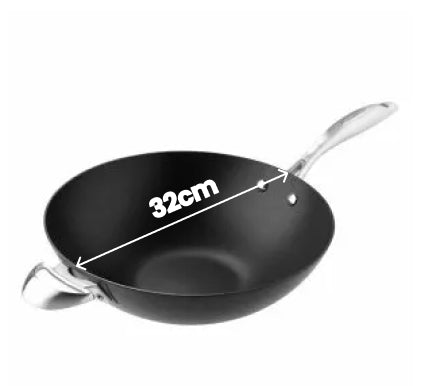
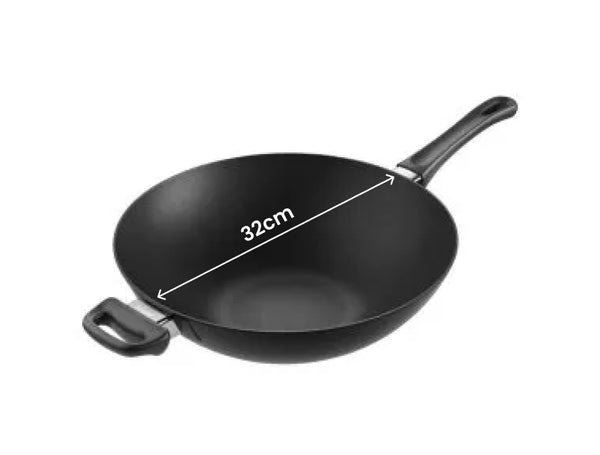
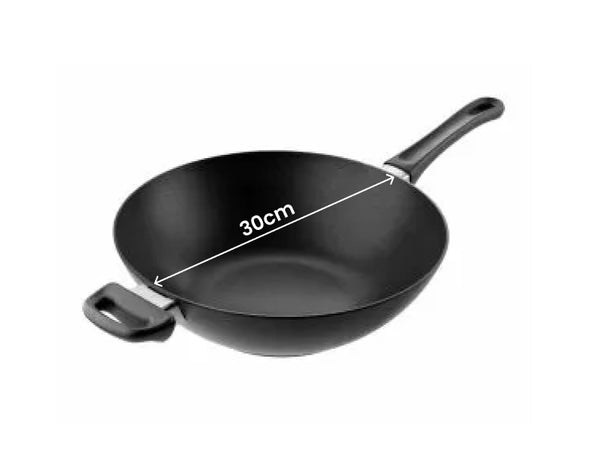
Under 30cm: Compact cooking for 1–2 people.
30–35cm: Most versatile size for everyday NZ households.
35cm+: Suitable for families, entertaining, and batch cooking.
Larger woks allow proper ingredient tossing, which improves texture and flavour development.
Cooktop Compatibility
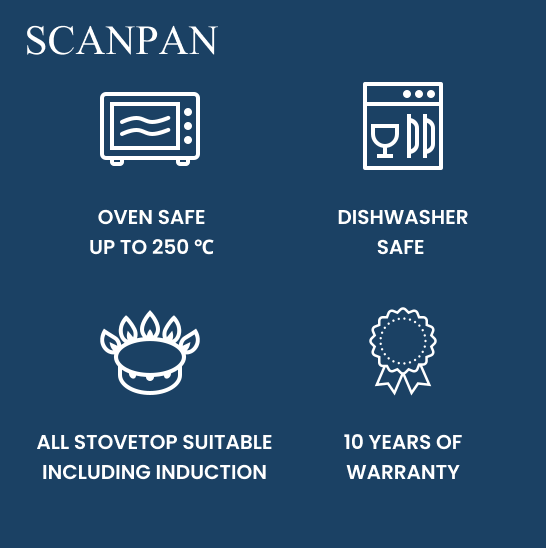
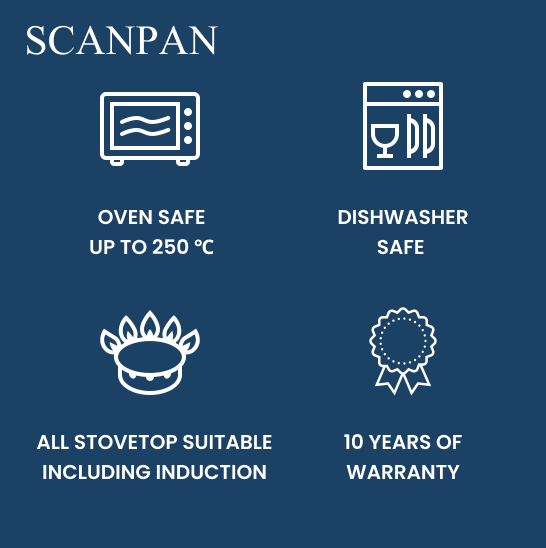
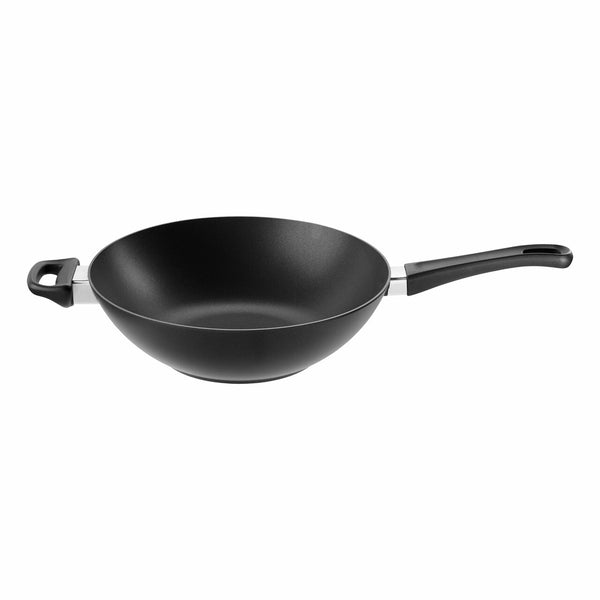
Flat-bottomed woks are compatible with:
Gas cooktops
Electric and ceramic hobs
Induction cooktops (magnetic base required)
Round-bottomed woks are traditionally used with gas burners and require a wok ring for stability.